SODAPEAK GUIDE · MY GOOD ROUTINE
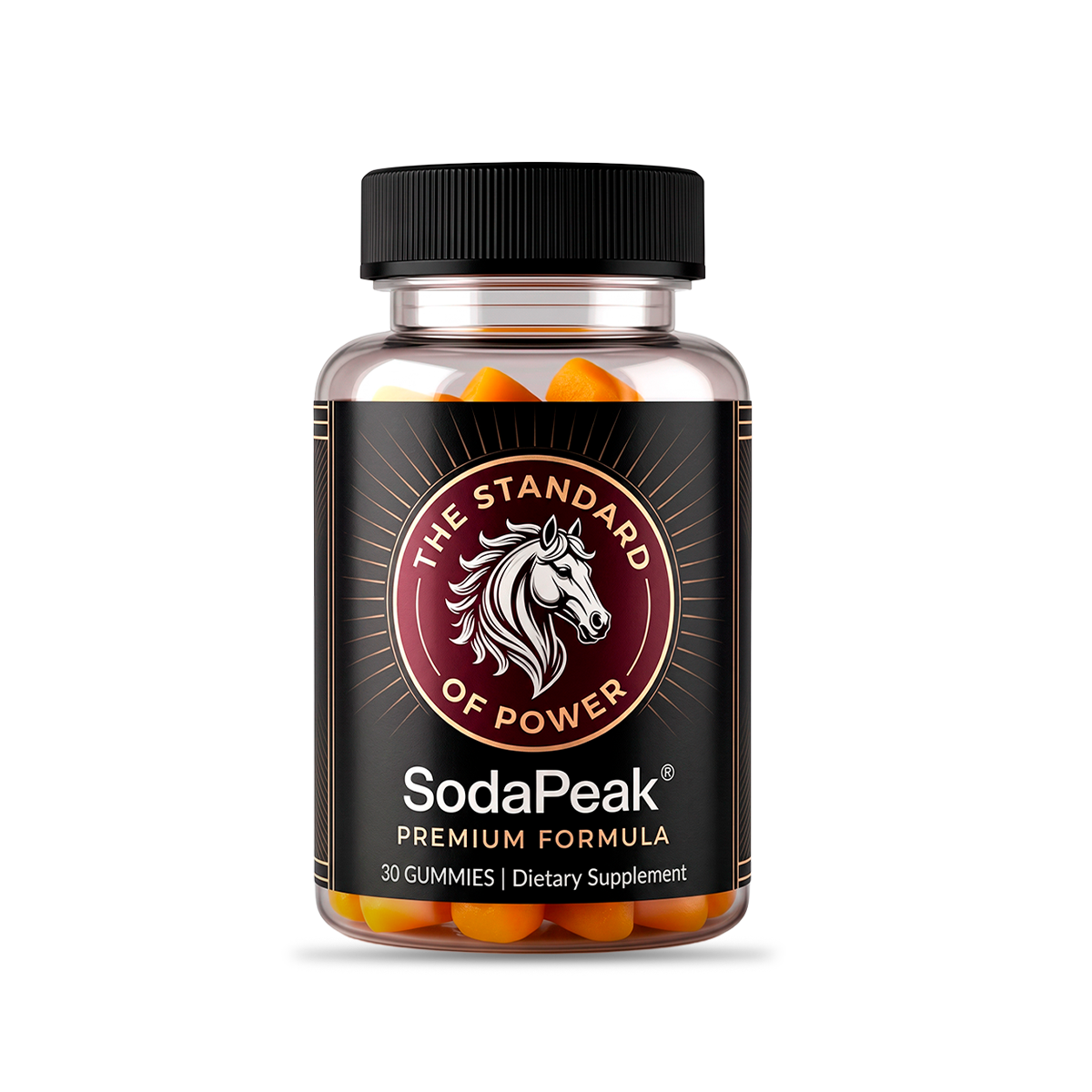
Part of our men’s health series. See how a popular men’s gummy compares in our SodaPeak review.
Independent guide by My Good Routine. We may earn a commission if you buy through our links. Not medical advice.
Zinc and vitamin D are two of the most common nutrients in testosterone supplements. The key point: they help mainly if you’re low.
Zinc
- Needed to make testosterone; deficiency lowers it.
- Extra zinc doesn’t seem to raise testosterone in men who already get enough.
- Adult men need about 11 mg a day. Too much (over 40 mg/day long term) can cause copper deficiency.
- Food sources: oysters, beef, crab, pumpkin seeds, chickpeas.
Vitamin D
- Low vitamin D is linked to lower testosterone in observational studies.
- Supplement trials are mixed; benefits are most likely in men who are deficient.
- Sources: sunlight, fatty fish, egg yolks, fortified foods.
- A simple blood test (25-hydroxy vitamin D) tells you your level.
Who is more likely to be low?
- Men who rarely get sun or have darker skin in northern climates (vitamin D).
- Vegetarians, heavy drinkers and people with gut conditions (zinc).
- Older men and men with obesity (both).
Bottom line
Test, don’t guess. Fix a deficiency with food or a modest supplement, then focus on the bigger levers — see low testosterone symptoms and foods that support testosterone.
Related: Natural testosterone boosters · Testosterone test · SodaPeak review
Sources: NIH ODS: Zinc; NIH ODS: Vitamin D
THE MAIN GUIDE
SodaPeak Review 2026: Is It Legit, Safe & Does It Really Work?
Every dose on the label checked against research, who it suits, side effects and how refunds work.
Leave a Reply