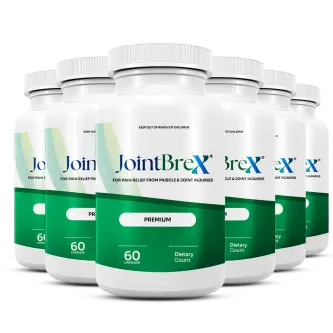
Part of our joint health series. See our main guide for an honest look at one popular joint supplement.
By the My Good Routine editorial team. Not medical advice.
If your knees hurt, losing weight is one of the most effective things you can do — often more effective than any supplement or pill. You don’t need dramatic weight loss to feel a difference. Here’s what the research shows and how to get started in a realistic way.
The 4-to-1 rule
A well-known study of adults with knee osteoarthritis found that every pound of weight lost removed about four pounds of load from the knee with each step. Over thousands of steps a day, that adds up fast: losing 10 pounds takes roughly 40 pounds of pressure off your knees with every step.
How much weight loss makes a difference?
- About 5% of body weight — around 10 pounds for a 200-pound person — is often enough to notice less pain and better function.
- About 10% or more brings bigger benefits. In a major trial, people who lost around 10% of their weight through diet plus exercise reported substantially less knee pain than those who only exercised.
- Diet plus exercise beats either alone. Exercise builds the muscles that protect the knee; diet drives most of the weight loss.
Why extra weight hurts your knees
- More mechanical load on cartilage with every step, stair and squat.
- Inflammation: fat tissue releases inflammatory substances that can affect joints, even non-weight-bearing ones like hands.
- Less activity: pain leads to moving less, which weakens muscles and adds weight — a cycle that’s worth breaking.
A realistic plan to get started
- Set a modest first goal: 5% of your body weight over 3–6 months.
- Change your plate, not everything: half vegetables, a palm of protein, a fist of whole grains, a little olive oil. See anti-inflammatory breakfast ideas.
- Cut liquid sugar first: sodas, juices and sweet coffee drinks are an easy win. More in foods that may worsen inflammation.
- Move every day, gently: follow our walking plan for sore knees or try cycling and water exercise.
- Add strength twice a week: sit-to-stands, leg raises and bridges from our low-impact exercise guide.
- Track progress: weekly weight and a 1–10 knee pain score.
- Ask for help: a doctor or dietitian can tailor a plan, especially if you have diabetes or take medicines.
What about joint supplements?
Supplements can play a small supporting role, but they don’t replace weight management and exercise. If you’re considering one, check the doses — our JointBrex review walks through one popular formula ingredient by ingredient.
Frequently asked questions
Will losing weight stop my knee pain?
It often reduces pain significantly, especially combined with exercise, though it may not eliminate it completely.
How much weight do I need to lose to help my knees?
Around 5% of body weight is often enough to notice a difference; 10% brings larger benefits.
What’s the best exercise for losing weight with bad knees?
Low-impact options like walking, cycling, swimming and water aerobics, combined with simple strength work.
Related: Walking with knee pain · Foods that may worsen inflammation · JointBrex review
Sources: NCCIH, Osteoarthritis: In Depth.
JointBrex Review 2026: Ingredients, Evidence & Who It’s Really For
Every dose checked against research, who it suits, side effects and how the 60-day refund works.
Leave a Reply