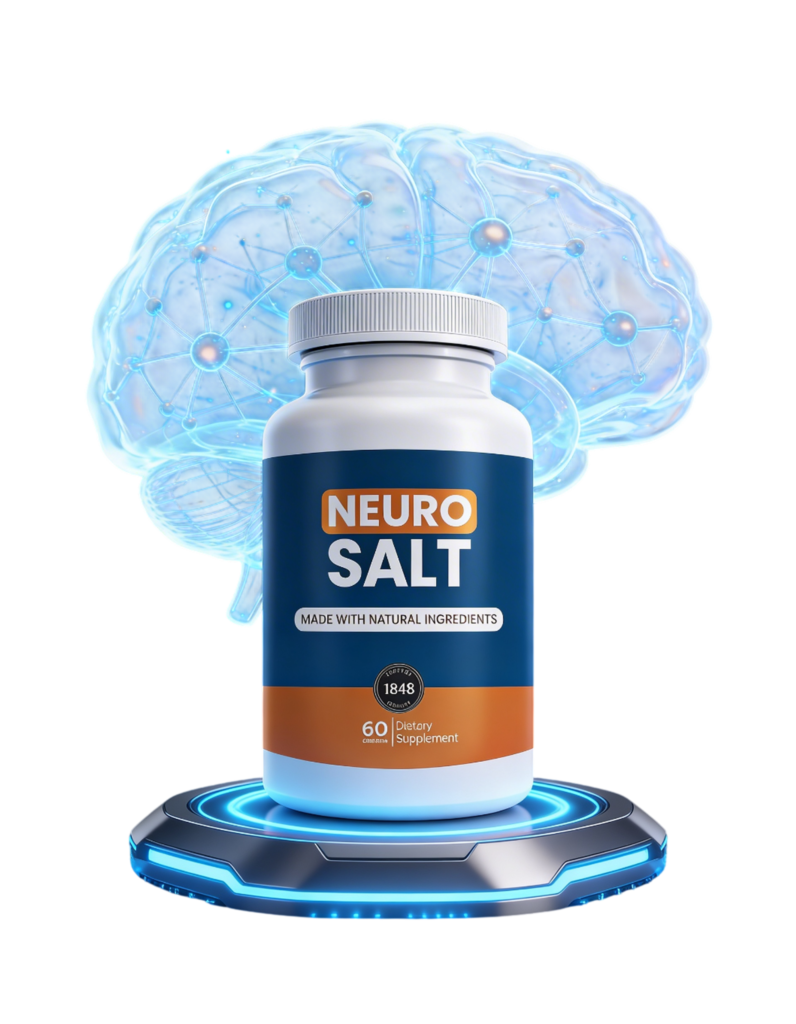
Corydalis is one of the five herbs in NeuroSalt — here is what to know about its safety.
Independent guide by My Good Routine. We may earn a commission if you buy through our links. Not medical advice.
What corydalis is
Corydalis (yan hu suo) is a plant used in traditional Chinese medicine, mainly for pain. Its rhizome contains alkaloids, including tetrahydropalmatine (THP), which has sedative and pain-relieving effects.
The safety question
THP has been associated with liver injury and other serious side effects, and experts caution against corydalis for vulnerable groups. NIH’s LiverTox describes more than a dozen cases of acute liver injury linked to Jin Bu Huan products, in which THP was a major constituent — although the authors thought a contaminant may have been responsible.
Who should avoid corydalis
- People with liver disease or heavy alcohol use
- Pregnant or breastfeeding women and children
- People taking sedatives, opioids or medications with liver warnings
See NeuroSalt’s full ingredient list on the official site
See today’s price on the official site →
Official website only · 60-day money-back guarantee · no subscription
Warning signs
Stop any corydalis product and see a doctor if you notice yellow skin or eyes, dark urine, severe tiredness, nausea or pain in the upper right belly.
Related: NeuroSalt review · NeuroSalt side effects · NeuroSalt ingredients
Sources: LiverTox: THP / Jin Bu Huan; EBSCO: Corydalis
NeuroSalt Review 2026: Can 5 Herbs Really Calm Nerve Pain?
Every herb checked against research, realistic results, safety and the 60-day refund.