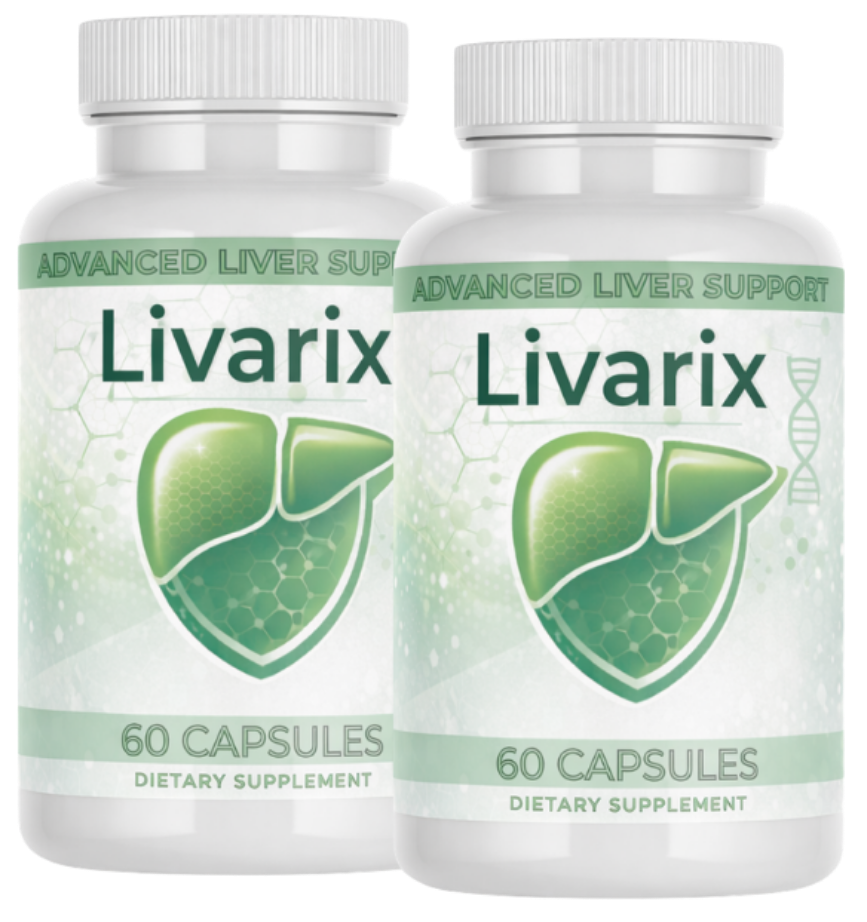

Part of our Livarix guides — turmeric is Livarix’s largest ingredient.
Independent guide by My Good Routine. We may earn a commission if you buy through our links. Not medical advice.
Turmeric’s active compound, curcumin, is one of the most researched supplements for fatty liver disease. The results are promising but mixed — and there’s an important safety twist.
What studies found
Several meta-analyses of randomized trials found curcumin lowered liver enzymes (ALT and AST) in people with fatty liver, especially at higher doses. In one, a trend toward lower ALT appeared at 1,000 mg or more of curcumin a day. Reviewers still call curcumin promising but not proven, and the one trial that used plain turmeric rather than a curcumin extract found no difference from placebo.
Turmeric powder vs curcumin extract
| Turmeric root powder | Curcumin extract | |
|---|---|---|
| Curcumin content | A few percent | Often 95% |
| Used in most liver trials | Rarely | Yes |
| Absorption | Low | Low, unless formulated (e.g. with piperine) |
The safety twist
According to the NIH’s LiverTox, turmeric appears to have become the most common cause of herb-related liver injury in the US. Most cases involved high-absorption curcumin products, and most people recovered after stopping. It’s rare, but if you have liver disease, ask your doctor before taking any turmeric supplement.
Bottom line
Curcumin extracts may modestly lower liver enzymes. Plain turmeric powder at small doses — like the 300 mg in Livarix — is unlikely to do much. Cooking with turmeric is fine and safe.
Related: Supplements that can harm the liver · Artichoke extract for the liver · Livarix review
Sources: Integr Med Res 2019; Systematic review 2019; NIH LiverTox: Turmeric
Livarix Review 2026: Ingredients, Doses & What It Can Really Do
Every listed dose checked against research, who it suits, side effects and how the 60-day refund works.
Leave a Reply