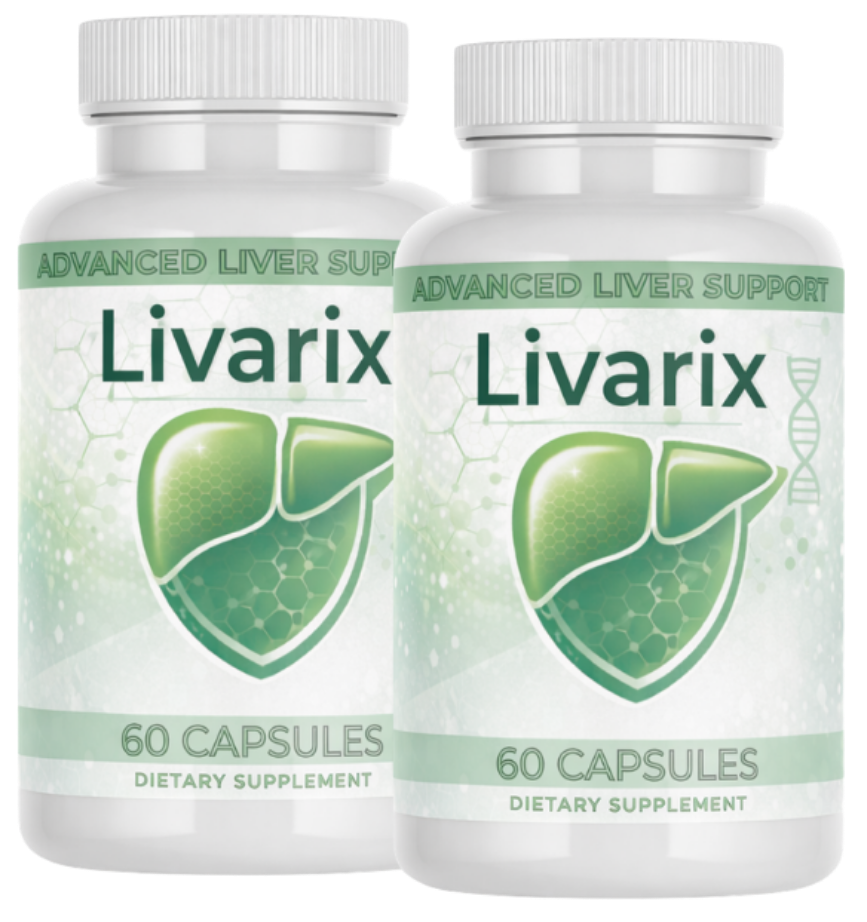

Part of our Livarix guides — milk thistle is one of Livarix’s ingredients.
Independent guide by My Good Routine. We may earn a commission if you buy through our links. Not medical advice.
Milk thistle (Silybum marianum) has been used for liver problems for centuries, and its active complex, silymarin, is one of the most studied herbal compounds. So why don’t doctors prescribe it?
What the trials found
Lab and animal studies show silymarin acts as an antioxidant and may protect liver cells. But in people, the results have been disappointing. According to the NIH’s LiverTox, controlled trials in chronic hepatitis C and nonalcoholic fatty liver disease found little or no evidence that it improves disease activity or slows progression. The NIH’s complementary health center (NCCIH) says there isn’t enough high-quality evidence to draw firm conclusions.
Typical doses
Milk thistle supplements usually contain 250–750 mg of silymarin extract. Raw milk thistle powder, like the 50 mg in Livarix, is much weaker.
Is it safe?
Yes, for most people. Milk thistle hasn’t been linked to liver injury. Side effects are usually mild — stomach upset, bloating or diarrhea. People allergic to ragweed or daisies may react to it.
Bottom line
Milk thistle is safe but unproven. If you have a liver condition, treatments with stronger evidence — especially weight loss for fatty liver — matter more. See liver supplement ingredients ranked.
Related: Livarix vs milk thistle · Do liver detox supplements work? · Livarix review
Sources: NIH LiverTox: Milk thistle; NCCIH: Milk thistle
Livarix Review 2026: Ingredients, Doses & What It Can Really Do
Every listed dose checked against research, who it suits, side effects and how the 60-day refund works.
Leave a Reply