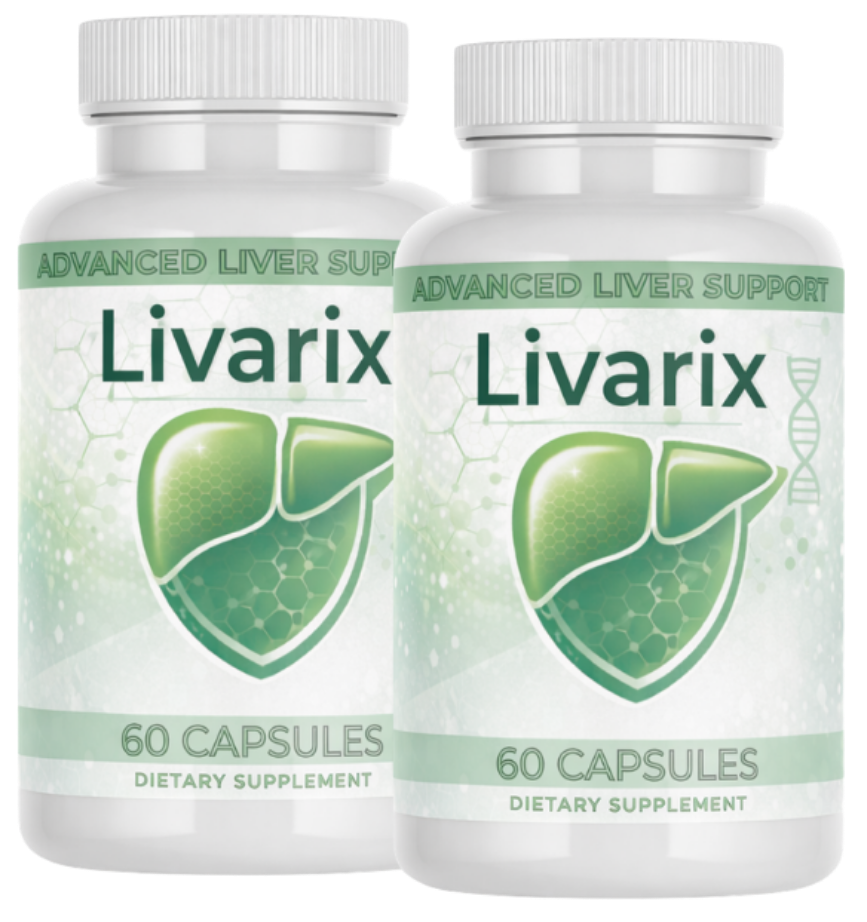

Part of our liver health series. See how a popular liver supplement compares in our Livarix review.
Independent guide by My Good Routine. We may earn a commission if you buy through our links. Not medical advice.
Being told your liver enzymes are “a little high” is common — and usually not an emergency. But it’s worth understanding and following up.
What ALT and AST are
ALT and AST are enzymes found inside liver cells. When liver cells are irritated or damaged, more of them leak into the blood. Each lab has its own normal range, printed on your report.
Common causes
- Fatty liver disease (MASLD) — the most common cause in adults, linked to weight, blood sugar and triglycerides.
- Alcohol.
- Medicines and supplements — including acetaminophen, some antibiotics, statins (usually mild) and herbal products.
- Viral hepatitis (B and C).
- Hard exercise — AST can also come from muscles.
- Less common: iron overload, autoimmune hepatitis, thyroid or celiac disease.
What happens next
Your doctor may repeat the test, check hepatitis B and C, iron levels, blood sugar and cholesterol, and order an ultrasound or a FibroScan to look for liver fat and scarring.
How to bring them down
- Lose 5–10% of your weight if you’re overweight — see weight loss for fatty liver.
- Cut back on alcohol — see alcohol and your liver.
- Review medicines and supplements with your doctor.
- Exercise regularly — see exercise for fatty liver.
Can supplements lower liver enzymes?
Artichoke and curcumin extracts lowered ALT and AST in fatty-liver trials at study doses, but they don’t replace finding the cause. See ingredients ranked.
Related: Fatty liver early signs · Supplements that can harm the liver · Livarix review
Sources: NIDDK: NAFLD & NASH
Livarix Review 2026: Ingredients, Doses & What It Can Really Do
Every listed dose checked against research, who it suits, side effects and how the 60-day refund works.
Leave a Reply