

Part of our JellyFil guides — maca is one of JellyFil’s libido herbs.
Independent guide by My Good Routine. We may earn a commission if you buy through our links. Not medical advice.
Maca (Lepidium meyenii) is a root vegetable from the high Andes of Peru, related to broccoli and radish. It’s been eaten for centuries and is now one of the most popular “natural libido” supplements.
What studies show
A 2010 systematic review found only four small randomized trials. Two suggested a positive effect on sexual desire or function, while another found no effect. The authors concluded the evidence is limited. One small Italian trial in men with mild ED found a modest improvement after 12 weeks of 2,400 mg a day.
Later reviews found many positive studies, but most were small, short or in animals, and the type of maca and the dose varied widely.
Does maca raise testosterone?
Not according to human studies. Its effect on desire, if any, seems to happen without changing hormone levels.
Doses used in studies
Most trials used 1,500 to 3,500 mg a day of dried maca root for 6 to 12 weeks.
Side effects
Maca is generally well tolerated as a food. Some people notice stomach upset. People with thyroid problems should ask a doctor, as raw maca contains goitrogens.
Bottom line
Maca is safe for most people and may give a small boost to desire, but the evidence is thin. It’s one of the ingredients in JellyFil — see all JellyFil ingredients.
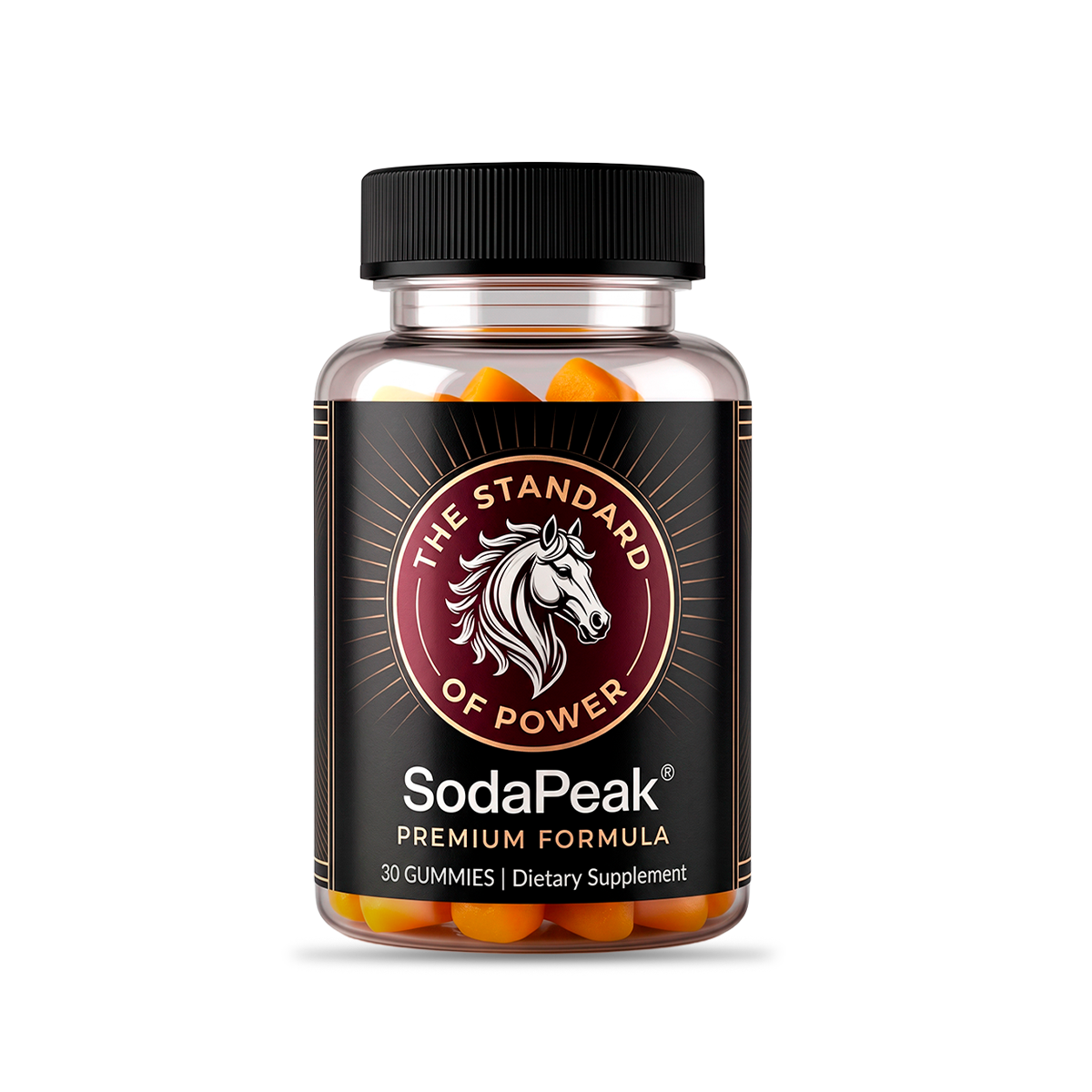
MACA IS FOUND IN THESE SUPPLEMENTS
Related: Low libido in men: causes · Tribulus and testosterone · JellyFil review
Sources: Shin et al., BMC Complement Altern Med 2010
JellyFil Review 2026: Ingredients, Evidence & What to Really Expect
Every ingredient checked against research, who it suits, side effects and how the 60-day refund works.
Leave a Reply