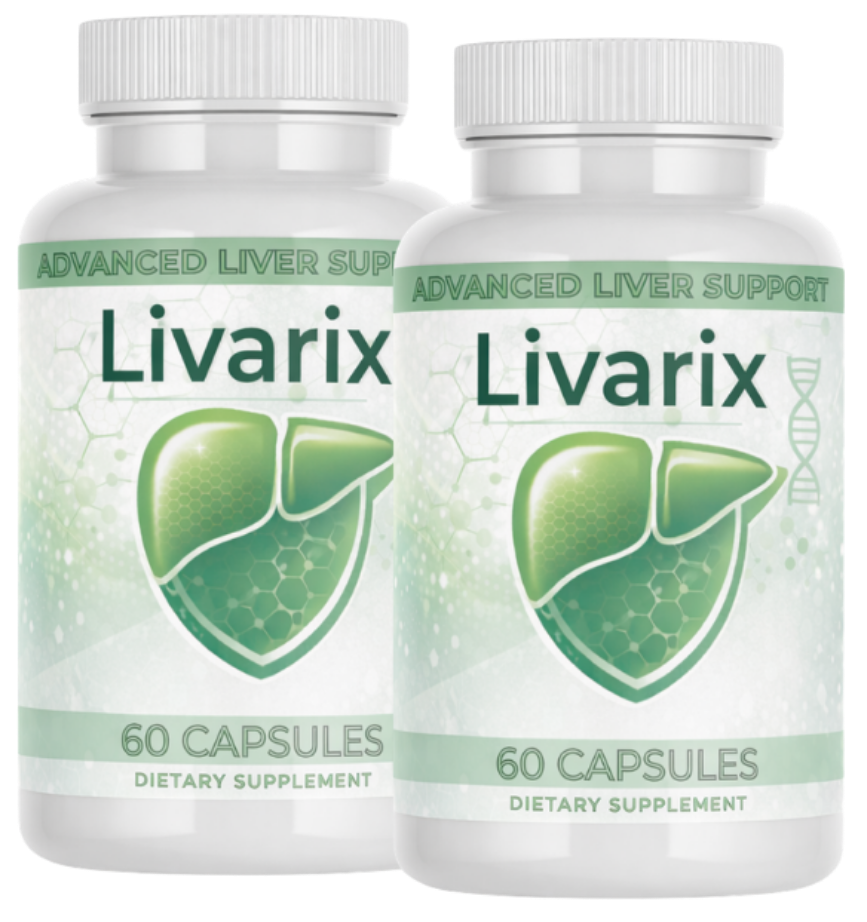

Part of our liver health series. See how a popular liver supplement compares in our Livarix review.
Independent guide by My Good Routine. We may earn a commission if you buy through our links. Not medical advice.
“Natural” doesn’t always mean safe for the liver. In the US Drug-Induced Liver Injury Network, around 20% of cases are linked to herbal and dietary supplements.
Supplements most often linked to liver injury
- Green tea extract — concentrated pills, especially taken on an empty stomach (drinking green tea is fine).
- Turmeric and curcumin — NIH’s LiverTox says turmeric appears to be the most common cause of herb-related liver injury in the US, mostly from high-absorption products.
- Ashwagandha.
- Kava.
- Bodybuilding products with anabolic steroids or similar compounds.
- Garcinia cambogia and some multi-ingredient weight-loss blends.
- Very high doses of vitamin A or niacin.
Who is at higher risk
People taking high doses or several supplements at once, people with existing liver disease, and people with certain genetic factors.
Warning signs
- Yellow skin or eyes
- Dark urine or pale stools
- Itching
- Nausea, loss of appetite or pain under the right ribs
- Unusual tiredness
If you notice these, stop the supplement and see a doctor promptly.
How to use supplements more safely
- Tell your doctor and pharmacist everything you take.
- Avoid stacking products with the same herb.
- Prefer brands that list doses and use third-party testing.
- Get liver tests if you take supplements long term and have risk factors.
See how one liver formula’s ingredients stack up in our Livarix side effects guide.
Related: Turmeric for fatty liver · Elevated liver enzymes · Livarix review
Sources: NIH LiverTox: Turmeric; Am J Med 2023; PolitiFact 2026
Livarix Review 2026: Ingredients, Doses & What It Can Really Do
Every listed dose checked against research, who it suits, side effects and how the 60-day refund works.