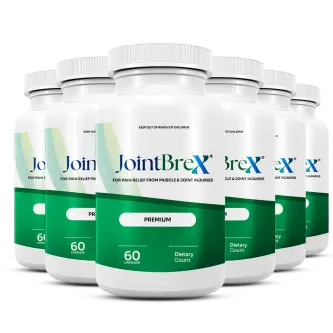
Part of our joint health series. See our main guide for an honest look at one popular joint supplement.
By the My Good Routine editorial team. Not medical advice.
Glucosamine and turmeric are two of the most popular supplements for achy joints, but they work very differently — and the research behind them isn’t equal. If you’re choosing between them (or wondering whether a product that combines both is worth it), here’s what the evidence says.
The quick answer
For knee osteoarthritis pain, turmeric (curcumin) has more consistent evidence than glucosamine. Several meta-analyses found curcumin reduced pain compared with placebo, sometimes about as well as common anti-inflammatory painkillers. Glucosamine’s results are mixed, and major arthritis guidelines recommend against it for the knee, hip and hand.
| Glucosamine | Turmeric / curcumin | |
|---|---|---|
| What it is | A cartilage building block, usually from shellfish | A spice root; curcumin is its main active compound |
| How it may work | Supplies raw material for cartilage | Calms inflammatory signals |
| Typical study dose | 1,500 mg a day | 500–1,000 mg curcumin a day |
| Evidence for knee pain | Conflicting | Moderate |
| Time to notice | 8–12 weeks or more | 4–8 weeks in many trials |
| Main cautions | Shellfish allergy, blood thinners | Blood thinners, gallbladder problems, stomach upset |
What the research says about glucosamine
Glucosamine became popular in the 1990s on the idea that it could help cartilage repair itself. Early European studies using prescription-grade glucosamine sulfate looked encouraging. But a large US government-funded trial (GAIT) found glucosamine alone wasn’t significantly better than placebo for knee pain overall, and later reviews reached similar conclusions. Because of that, the American College of Rheumatology recommends against glucosamine for knee, hip and hand osteoarthritis.
Some people still report feeling better on it, and it’s generally safe. It just isn’t a reliable bet based on the research.
What the research says about turmeric
Curcumin, the main compound in turmeric, reduces several molecules involved in inflammation. Multiple systematic reviews of randomized trials found curcumin products improved knee osteoarthritis pain and function versus placebo, and a review of curcumin and boswellia formulas reached a similar conclusion. Results are more consistent than for glucosamine, though many trials were small and short.
One practical issue: curcumin is poorly absorbed. Effective products usually provide 500–1,000 mg of curcumin in an enhanced form or with black pepper extract (piperine). Plain turmeric powder contains only about 3% curcumin.
Can you take them together?
Yes — many joint formulas combine them, and there’s no known harmful interaction between the two. The main shared caution is bleeding risk: both may add to the effect of blood thinners such as warfarin. Talk to your doctor first if you take one.
When comparing combination products, check the doses. A formula with 1,000 mg glucosamine and 100 mg turmeric, for example, gives you a below-study dose of the weaker ingredient and a small amount of the stronger one. That’s the case with JointBrex, which also adds boswellia — arguably its best-supported ingredient.
Which should you choose?
- If you want the best evidence for knee pain: a well-dosed curcumin product, or a formula combining curcumin and boswellia.
- If glucosamine has worked for you before: it’s reasonable to continue — just know the overall research is mixed.
- If you’re allergic to shellfish: avoid glucosamine.
- If you take blood thinners: talk to your doctor before either.
Whatever you choose, the habits with the strongest evidence still come first: regular low-impact exercise, weight management and a daily mobility routine. See low-impact exercises for knee pain after 50.
Frequently asked questions
Is turmeric better than glucosamine for arthritis?
For knee osteoarthritis pain, the research on curcumin is more consistent than for glucosamine, but neither is a cure.
How long does it take turmeric to work for joints?
Many trials measured improvements after 4 to 8 weeks of daily use.
Does glucosamine rebuild cartilage?
There’s no strong evidence that glucosamine rebuilds cartilage in people with osteoarthritis.
Related: Boswellia vs turmeric for knee pain · JointBrex ingredients, dose by dose · JointBrex review
Sources: NCCIH, Glucosamine and Chondroitin; NCCIH, Osteoarthritis: In Depth; Bannuru RR et al., curcumin and Boswellia for knee osteoarthritis.
JointBrex Review 2026: Ingredients, Evidence & Who It’s Really For
Every dose checked against research, who it suits, side effects and how the 60-day refund works.
Leave a Reply