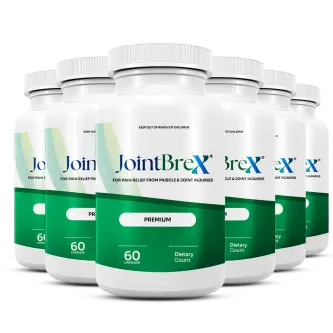
Part of our joint health series. See our main guide for an honest look at one popular joint supplement.
By the My Good Routine editorial team. Not medical advice.
If getting out of bed feels like starting a rusty machine, you’re not alone. Morning stiffness becomes more common after 50, especially in the knees, hips, hands and lower back. The good news: small changes to your evening and morning routine can make the first hour of the day much easier. Here are seven gentle habits that help.
Why joints feel stiff in the morning
When you’re still for hours, the fluid that lubricates your joints thickens slightly and the surrounding muscles and tendons tighten. Movement warms everything back up. With age — and with osteoarthritis — cartilage gets thinner and joints take longer to “loosen up.” Stiffness from osteoarthritis usually eases within 30 minutes of moving around.
When to see a doctor: if stiffness lasts longer than an hour, affects the same joints on both sides of the body, or comes with swelling, warmth or fatigue, ask your doctor about inflammatory arthritis such as rheumatoid arthritis.
1. Move before you get up
Before swinging your legs out of bed, spend two or three minutes moving gently: point and flex your feet, make slow circles with your ankles and wrists, bend and straighten each knee, and open and close your hands. This gets joint fluid moving before you put weight on your joints.
2. Use warmth to your advantage
A warm shower or bath first thing in the morning relaxes muscles and makes joints feel less stiff. A heating pad on a stiff knee or lower back for 15 minutes works too. Some people sleep better with a warm (not hot) blanket over achy joints.
3. Do a 10-minute mobility routine
Gentle range-of-motion exercises are one of the most reliable ways to ease stiffness. Try shoulder rolls, seated marching, sit-to-stands from a chair, standing hip circles, heel raises at the counter and slow neck turns. Keep movements comfortable — mild discomfort is fine, sharp pain is not. Follow our step-by-step 10-minute routine.
4. Stay active during the day
Stiffness the next morning often reflects how still you were the day before. Regular low-impact activity — walking, cycling, swimming or tai chi — strengthens the muscles that support your joints. Arthritis guidelines rank exercise as one of the most effective treatments for knee and hip osteoarthritis. See our guide to low-impact exercises for knee pain after 50.
5. Rethink your sleep setup
Sleep position matters. A pillow between your knees (if you sleep on your side) or under your knees (if you sleep on your back) can take pressure off hips, knees and the lower back. A mattress that’s too soft or too firm can also leave you stiffer. Poor sleep itself makes pain feel worse, so a consistent bedtime helps too. More in sleep positions for knee and hip pain.
6. Eat for less inflammation
No single food cures stiff joints, but an eating pattern rich in vegetables, fruit, beans, whole grains, olive oil and fatty fish — like the Mediterranean diet — is linked with lower inflammation. Cutting back on ultra-processed foods and sugary drinks helps too, partly because it supports a healthy weight. Try these anti-inflammatory breakfast ideas.
7. Take some pressure off your knees
Extra body weight adds load to your knees with every step — roughly four pounds of pressure for each extra pound of weight. Even modest weight loss can noticeably reduce knee pain and morning stiffness. See how much losing weight helps your knees.
What about supplements?
Some people add a joint supplement to their routine. The ingredients with the most promising research are boswellia and curcumin (from turmeric), while glucosamine and chondroitin have mixed results. If you’re curious about a specific product, our JointBrex review checks each dose against the research. Supplements work best as an add-on to the habits above — not a replacement — and you should check with your doctor first if you take blood thinners.
A simple morning plan
- 2 minutes of in-bed ankle, knee and hand movements.
- Warm shower.
- 10-minute mobility routine.
- Breakfast with fruit, whole grains or yogurt.
- A short walk within the first few hours of the day.
Track your stiffness on a 1–10 scale each morning for a few weeks. It’s an easy way to see what’s actually helping.
Frequently asked questions
Why are my joints so stiff in the morning but better later?
Inactivity overnight lets joint fluid thicken and muscles tighten. Moving warms the joint and restores lubrication, which is why stiffness eases within about 30 minutes for most people with osteoarthritis.
Is morning stiffness a sign of arthritis?
It can be. Short-lived stiffness is common with osteoarthritis; stiffness lasting more than an hour may point to inflammatory arthritis and should be checked by a doctor.
Does drinking water help stiff joints?
Staying hydrated supports overall health, but there’s little evidence it directly reduces joint stiffness.
Related: Why do my knees hurt on stairs? · Low-impact exercises for knee pain · JointBrex review
Sources: NCCIH, Osteoarthritis: In Depth; NCCIH, Arthritis and Complementary Health Approaches.
JointBrex Review 2026: Ingredients, Evidence & Who It’s Really For
Every dose checked against research, who it suits, side effects and how the 60-day refund works.
Leave a Reply