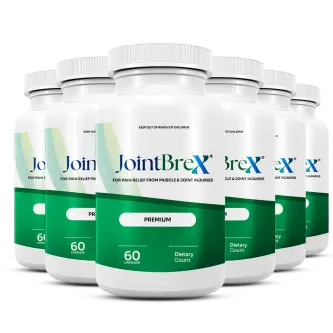
Part of our joint health series. See our main guide for an honest look at one popular joint supplement.
By the My Good Routine editorial team. Not medical advice. Check with your doctor before starting a new exercise program.
When your knees hurt, it’s tempting to rest them. But for most people with everyday knee pain or osteoarthritis, the right kind of movement is one of the best treatments there is. Arthritis guidelines rank exercise at the very top of the list. The key is choosing activities that strengthen and move the knee without pounding it. Here are the best low-impact options after 50, and how to start safely.
Why exercise helps knee pain
- Stronger muscles absorb load. Your thigh and hip muscles act as shock absorbers for the knee.
- Movement nourishes cartilage. Cartilage has no blood supply; it relies on joint movement to circulate fluid.
- Less stiffness. Regular movement keeps the joint flexible.
- Weight control. Every pound lost takes several pounds of pressure off your knees per step.
The 7 best low-impact exercises
1. Walking
Simple, free and effective. Start with 10 minutes on flat ground and add a few minutes each week, aiming for 30 minutes most days. Supportive shoes and soft surfaces help. Our 6-week walking plan for sore knees shows how to build up. See why knees hurt on stairs if hills or steps bother you.
2. Stationary or outdoor cycling
Cycling moves the knee through a smooth arc with little impact and builds thigh strength. Set the seat so your knee is slightly bent at the bottom of the pedal stroke.
3. Swimming and water exercise
Water supports your body weight, so it’s ideal during flare-ups. Water walking and aqua aerobics are great if you don’t swim laps.
4. Tai chi
Slow, flowing movements improve balance, strength and flexibility. Tai chi is specifically recommended in arthritis guidelines for knee and hip osteoarthritis.
5. Sit-to-stands
Stand up from a sturdy chair without using your hands, then sit back down slowly. Start with 5–10 repetitions. It’s one of the best functional exercises for daily life.
6. Straight-leg raises and bridges
Lying on your back, keep one leg straight and lift it to the height of the bent opposite knee. For bridges, lift your hips with both knees bent. Both strengthen without stressing the joint.
7. Step-ups on a low step
Once you’ve built some strength, step up and down on a low step, holding a rail. This prepares your knees for stairs and curbs.
A simple weekly plan
| Day | Activity |
|---|---|
| Mon | 20-minute walk + strength moves (sit-to-stands, leg raises, bridges) |
| Tue | Cycling or water exercise, 20–30 minutes |
| Wed | Tai chi or gentle mobility, 20 minutes |
| Thu | 20-minute walk + strength moves |
| Fri | Cycling or water exercise |
| Sat | Longer easy walk |
| Sun | Rest or gentle stretching |
How much pain is OK?
A useful rule: mild discomfort (up to about 3–4 on a 10-point scale) during exercise is acceptable if it settles within a couple of hours and isn’t worse the next morning. If pain is sharp, makes you limp, or lingers into the next day, scale back.
Exercises to limit
- Running on hard surfaces and jumping
- Deep squats and lunges under heavy load
- Sports with sudden pivots, such as tennis or basketball, during flare-ups
Supporting your routine
Exercise works best combined with a few other habits: a short morning mobility routine, an anti-inflammatory eating pattern and good sleep. Some people also try a joint supplement; boswellia and curcumin have the most promising research. Our JointBrex review explains what one popular formula contains and how its doses compare with studies.
Frequently asked questions
Is walking good for knee osteoarthritis?
Yes. Regular walking is one of the most recommended activities for knee osteoarthritis. Start short and increase gradually.
How long until exercise helps knee pain?
Many people notice less pain and stiffness after 4 to 8 weeks of consistent exercise.
Should I exercise during a flare-up?
Switch to gentler movement such as water exercise or range-of-motion moves, and see a doctor if the joint is hot, red or very swollen.
Related: Morning stiffness: 7 gentle habits · Why do my knees hurt on stairs? · JointBrex review
Sources: NCCIH, Osteoarthritis: In Depth; NCCIH, Arthritis and Complementary Health Approaches.
JointBrex Review 2026: Ingredients, Evidence & Who It’s Really For
Every dose checked against research, who it suits, side effects and how the 60-day refund works.
Leave a Reply