Part of our joint health series. See our main guide for an honest look at one popular joint supplement.
By the My Good Routine editorial team. Not medical advice. Never start, stop or change a blood thinner without your doctor.
Millions of people over 50 take a blood thinner, and many of them also have achy joints. The problem: several of the most popular joint supplement ingredients can affect bleeding or change how blood thinners work. Here’s what you need to know before combining them.
The short answer
Talk to your doctor or pharmacist before taking any joint supplement with a blood thinner. Some ingredients have documented interactions with warfarin; others have a theoretical risk. If your doctor approves, they may want to check your blood levels (INR) more often when you start.
Which blood thinners are we talking about?
- Warfarin (Coumadin, Jantoven) — the most sensitive to interactions
- Newer anticoagulants: apixaban (Eliquis), rivaroxaban (Xarelto), dabigatran (Pradaxa), edoxaban
- Antiplatelets: clopidogrel (Plavix), daily aspirin, prasugrel, ticagrelor
Joint supplement ingredients and bleeding risk
| Ingredient | Concern | Level of evidence |
|---|---|---|
| Glucosamine (± chondroitin) | Reports of increased warfarin effect (higher INR) and bleeding | Case reports and drug-safety databases |
| Turmeric / curcumin | May slow clotting and raise warfarin effect | Lab studies and case reports |
| Fish oil (omega-3) | Mild antiplatelet effect at high doses | Studies; usually small effect |
| Ginger | May affect platelets | Mostly theoretical |
| Bromelain | May increase bleeding tendency | Theoretical / limited |
| Boswellia | Possible interaction with anticoagulants | Limited |
| Pine bark extract | Mild antiplatelet effect | Small studies |
| Ginkgo, vitamin E (sometimes added) | Increased bleeding risk | Moderate |
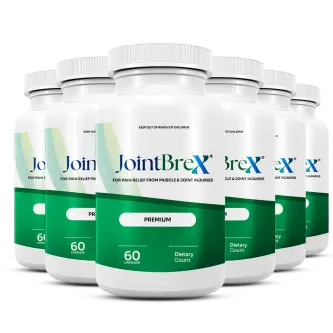
Many joint formulas combine several of these, which can add up. JointBrex, for example, contains glucosamine, chondroitin, turmeric, boswellia and bromelain — see our JointBrex side effects guide.
Warning signs of bleeding
Call your doctor right away if you notice:
- Unusual bruising, or bruises that appear without a bump
- Bleeding gums or frequent nosebleeds
- Pink, red or dark brown urine
- Black, tarry or bloody stools
- Coughing or vomiting blood
- Severe headache or sudden weakness (seek emergency care)
If your doctor says it’s OK
- Start one supplement at a time, so you know what caused any change.
- Keep the dose consistent — don’t take it on and off.
- Ask whether you need an extra INR check (for warfarin) after starting.
- Tell every doctor and dentist what you take, especially before surgery or dental work.
- Stop supplements that affect bleeding about 2 weeks before planned surgery, if your surgeon agrees.
Safer ways to ease joint pain on a blood thinner
- Exercise and weight management — the best-supported options, with no bleeding risk. See low-impact exercises for knee pain.
- Heat, ice and a morning mobility routine.
- Physical therapy.
- Ask your doctor about pain medicines that are safest with your blood thinner — many oral NSAIDs such as ibuprofen raise bleeding risk too. See joint supplements vs painkillers.
Frequently asked questions
Can I take glucosamine with Eliquis?
Interactions are best documented with warfarin, but caution is still advised with apixaban and other anticoagulants. Ask your doctor.
Can I take turmeric with blood thinners?
Turmeric supplements may increase bleeding risk. Cooking amounts are generally fine; concentrated supplements need your doctor’s OK.
Is fish oil safe with blood thinners?
At usual doses the effect is small, but discuss it with your doctor, especially at high doses.
Related: Joint supplements vs painkillers · Best joint supplement ingredients · JointBrex side effects
Sources: NCCIH, Glucosamine and Chondroitin; NCCIH, Osteoarthritis: In Depth.
JointBrex Review 2026: Ingredients, Evidence & Who It’s Really For
Every dose checked against research, who it suits, side effects and how the 60-day refund works.
Leave a Reply