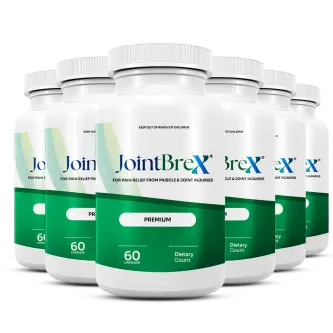
Part of our joint health series. See our main guide for an honest look at one popular joint supplement.
By the My Good Routine editorial team. Not medical advice. Don’t stop or change prescribed medicine without talking to your doctor.
When your knees or hips ache, you have two shelves to choose from: over-the-counter painkillers and joint supplements. Painkillers work fast but carry risks with long-term use. Supplements feel “natural” but work slowly and less predictably. Here’s an honest comparison to help you talk it through with your doctor.
The quick comparison
| NSAIDs (ibuprofen, naproxen) | Topical NSAIDs (diclofenac gel) | Acetaminophen | Joint supplements | |
|---|---|---|---|---|
| Speed | Hours | Hours to days | Hours | Weeks |
| Evidence for osteoarthritis pain | Strong | Strong (knee, hand) | Small benefit | Varies by ingredient |
| Guideline position (ACR) | Strongly recommended | Strongly recommended for knee | Conditional | Most not recommended; none strongly |
| Main risks | Stomach bleeding, kidney and heart risks | Skin irritation; much lower body exposure | Liver damage at high doses | Interactions, especially with blood thinners |
Over-the-counter painkillers
NSAIDs (ibuprofen, naproxen)
Anti-inflammatory painkillers are among the most effective medicines for osteoarthritis pain, and the American College of Rheumatology strongly recommends them. The trade-off is safety with regular use, especially after 60: stomach ulcers and bleeding, kidney strain, and higher blood pressure and heart risk. Use the lowest dose for the shortest time, and ask your doctor before daily use.
Topical NSAIDs
Gels such as diclofenac are strongly recommended for knee osteoarthritis and are a great first step for many people over 50. Because far less reaches the bloodstream, side effects are much rarer than with pills.
Acetaminophen
Easier on the stomach, but its benefit for osteoarthritis pain is small. Taking more than the label allows can damage the liver, especially with alcohol.
Joint supplements
Supplements don’t work like painkillers. They take weeks, effects are usually modest, and results depend heavily on the ingredient and dose. The best-supported are boswellia and curcumin; glucosamine and chondroitin have mixed results. See best joint supplement ingredients after 50.
Their appeal is that, at normal doses, most are gentle on the stomach, kidneys and heart. But “natural” doesn’t mean risk-free: several raise bleeding risk with blood thinners — see joint supplements and blood thinners.
Can you combine them?
Often yes, with your doctor’s OK. Many people use a topical NSAID for flare-ups and a supplement for everyday stiffness. Be careful combining oral NSAIDs with turmeric, ginger, bromelain or fish oil, since all affect bleeding.
What works better than either
Exercise and weight management have the strongest evidence for knee and hip osteoarthritis and no side effects beyond sore muscles. Start with our low-impact exercise guide and morning stiffness habits.
A practical approach
- Build the base: daily movement, strength exercises, weight management.
- For flare-ups: topical NSAID gel, heat or ice.
- If you want to try a supplement: choose well-dosed ingredients and track results for 8 weeks — our JointBrex review shows how to read a label.
- For persistent pain: talk to your doctor about oral medicines, physical therapy or injections.
Frequently asked questions
Are joint supplements safer than ibuprofen?
For long-term daily use, most supplements carry fewer stomach, kidney and heart risks — but they’re also less effective, and some interact with medicines.
Can supplements replace painkillers?
For mild stiffness, some people find they can. For moderate or severe pain, supplements alone usually aren’t enough.
Is turmeric as effective as ibuprofen?
A few trials found similar pain relief for knee osteoarthritis, but they were small. Don’t swap prescribed treatment without talking to your doctor.
Related: Joint supplements and blood thinners · Best joint supplement ingredients · JointBrex review
Sources: NCCIH, Osteoarthritis: In Depth; NCCIH, Arthritis and Complementary Health Approaches.
JointBrex Review 2026: Ingredients, Evidence & Who It’s Really For
Every dose checked against research, who it suits, side effects and how the 60-day refund works.
Leave a Reply