
Category: Joint Health

Routines, habits and honest supplement guides for stiff, achy joints.

  • Is JointBrex Legit or a Scam? What We Checked

    Is JointBrex Legit or a Scam? What We Checked

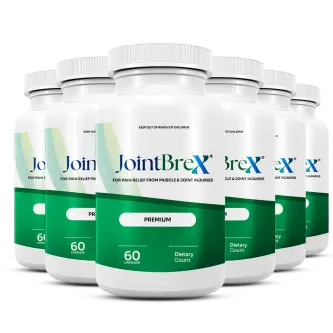
    JointBrex bottles

    JOINTBREX GUIDE · MY GOOD ROUTINE

    Part of our complete JointBrex review — every dose, the evidence, safety and the 60-day refund.

    Read the main review →

    Independent guide by My Good Routine. We may earn a commission if you buy through our links. Not medical advice.

    If you’ve seen JointBrex ads or its sales page, it’s natural to wonder whether it’s a real product or another online supplement scam. We checked the label, the seller, the refund terms and the official website. Short answer: JointBrex appears to be a real product, but its marketing overpromises. Here’s what we found. For the full evaluation, see our JointBrex review.

    Signs that JointBrex is a real product

    • It lists its doses. 1,000 mg glucosamine, 100 mg chondroitin, 133 mg boswellia and 100 mg turmeric per serving. Scam products usually hide behind “proprietary blends.”
    • It sells through an established platform. Orders are processed by BuyGoods, a retailer that handles payments and refunds for many supplement brands.
    • It offers a 60-day money-back guarantee from the date of purchase, with refunds to your original payment method.
    • There’s no hidden subscription. The official site states it’s a one-time purchase with no automatic renewals.
    • A maker is named. Published reviews identify Cedarhale Wellness Group, LLC.

    Red flags worth knowing about

    Being a real product doesn’t mean everything on the sales page is accurate. We noticed several issues:

    • Content that seems copied from other products. One “expert” testimonial talks about dizziness and vertigo, the free bonus guides are about nerve health and neuropathy, and the list of “scientific references” covers blood sugar ingredients such as gymnema and green tea — none of which are in JointBrex.
    • Big promises. Claims to “eliminate joint pain” and “regenerate cartilage” go beyond what research on its ingredients supports.
    • Pressure tactics. A countdown timer and “while supplies last” messaging are common sales techniques, not signs of a genuine shortage.
    • Unverifiable review counts. Claims like “21,469 reviews” can’t be checked independently.

    None of this makes the capsules fake. But it’s a good reason to judge JointBrex by its label and your own results, not by its marketing.

    Independent feedback is also scarce. At the time of an independent check, JointBrex had no Trustpilot reviews under its own name, and the consumer-security site MalwareTips has warned about JointBrex advertising and reports of refund problems and unresponsive support. We couldn’t verify individual cases, but it’s a reason to follow the protection steps below. More in JointBrex reviews and complaints.

    What the research says about its formula

    The most promising ingredients are boswellia and turmeric, which have trials showing less knee pain. The best-known ingredients, glucosamine and chondroitin, have mixed results and aren’t recommended by major arthritis guidelines for the knee — and both are dosed below what most studies used. See our full JointBrex ingredients breakdown.

    The real risk: copycat sellers

    Popular supplements are often copied on marketplaces. Products sold by third parties on Amazon, eBay or Walmart may not be genuine, may be expired and usually aren’t covered by the official refund. To protect yourself:

    • Order only from the official website.
    • Keep your confirmation email and order number.
    • Check the charge on your statement matches the order total.
    • Mark day 60 on your calendar so you can still use the guarantee.

    How to get a refund if it doesn’t work

    1. Find your order number in the confirmation email.
    2. Contact customer support through the official website before day 60.
    3. Ask for return instructions — the site suggests using the product for at least 30 days first.
    4. Ship back all bottles, including empty ones, with tracking.

    Our verdict

    JointBrex is a legitimate supplement with a transparent label and a real refund policy, sold through an established retailer. Its sales page contains copy-and-paste errors and overpromises, so expectations should be modest: it’s a reasonable, low-risk try for mild, everyday stiffness — not a cure. If you take blood thinners or have a shellfish allergy, read our side effects guide first.

    Want the genuine product with the refund guarantee? The official website is the only place that offers both.

    Go to the official JointBrex site →

    Frequently asked questions

    Is JointBrex FDA approved?

    No dietary supplement is FDA approved. Supplements are regulated as foods, and the brand is responsible for safety and labeling.

    Is JointBrex on Amazon?

    Marketplace listings may exist, but they may not be genuine and are usually not covered by the official 60-day guarantee.

    Are JointBrex reviews real?

    Testimonials on sales pages can’t be independently verified. Look for reviews that discuss both pros and cons and cite the actual label.

    Related: JointBrex review · JointBrex ingredients · JointBrex side effects

    These statements have not been evaluated by the FDA. This product is not intended to diagnose, treat, cure or prevent any disease.

    JointBrex supplement

    THE MAIN GUIDE

    JointBrex Review 2026: Ingredients, Evidence & Who It’s Really For

    Every dose checked against research, who it suits, side effects and how the 60-day refund works.

    Read the full review →

  • Glucosamine vs Turmeric: Which Works Better for Joint Pain?

    JointBrex bottles

    JOINT HEALTH GUIDE · MY GOOD ROUTINE

    Part of our joint health series. See our main guide for an honest look at one popular joint supplement.

    Read the main review →

    By the My Good Routine editorial team. Not medical advice.

    Glucosamine and turmeric are two of the most popular supplements for achy joints, but they work very differently — and the research behind them isn’t equal. If you’re choosing between them (or wondering whether a product that combines both is worth it), here’s what the evidence says.

    The quick answer

    For knee osteoarthritis pain, turmeric (curcumin) has more consistent evidence than glucosamine. Several meta-analyses found curcumin reduced pain compared with placebo, sometimes about as well as common anti-inflammatory painkillers. Glucosamine’s results are mixed, and major arthritis guidelines recommend against it for the knee, hip and hand.

    Glucosamine Turmeric / curcumin
    What it is A cartilage building block, usually from shellfish A spice root; curcumin is its main active compound
    How it may work Supplies raw material for cartilage Calms inflammatory signals
    Typical study dose 1,500 mg a day 500–1,000 mg curcumin a day
    Evidence for knee pain Conflicting Moderate
    Time to notice 8–12 weeks or more 4–8 weeks in many trials
    Main cautions Shellfish allergy, blood thinners Blood thinners, gallbladder problems, stomach upset

    What the research says about glucosamine

    Glucosamine became popular in the 1990s on the idea that it could help cartilage repair itself. Early European studies using prescription-grade glucosamine sulfate looked encouraging. But a large US government-funded trial (GAIT) found glucosamine alone wasn’t significantly better than placebo for knee pain overall, and later reviews reached similar conclusions. Because of that, the American College of Rheumatology recommends against glucosamine for knee, hip and hand osteoarthritis.

    Some people still report feeling better on it, and it’s generally safe. It just isn’t a reliable bet based on the research.

    What the research says about turmeric

    Curcumin, the main compound in turmeric, reduces several molecules involved in inflammation. Multiple systematic reviews of randomized trials found curcumin products improved knee osteoarthritis pain and function versus placebo, and a review of curcumin and boswellia formulas reached a similar conclusion. Results are more consistent than for glucosamine, though many trials were small and short.

    One practical issue: curcumin is poorly absorbed. Effective products usually provide 500–1,000 mg of curcumin in an enhanced form or with black pepper extract (piperine). Plain turmeric powder contains only about 3% curcumin.

    Can you take them together?

    Yes — many joint formulas combine them, and there’s no known harmful interaction between the two. The main shared caution is bleeding risk: both may add to the effect of blood thinners such as warfarin. Talk to your doctor first if you take one.

    When comparing combination products, check the doses. A formula with 1,000 mg glucosamine and 100 mg turmeric, for example, gives you a below-study dose of the weaker ingredient and a small amount of the stronger one. That’s the case with JointBrex, which also adds boswellia — arguably its best-supported ingredient.

    Which should you choose?

    • If you want the best evidence for knee pain: a well-dosed curcumin product, or a formula combining curcumin and boswellia.
    • If glucosamine has worked for you before: it’s reasonable to continue — just know the overall research is mixed.
    • If you’re allergic to shellfish: avoid glucosamine.
    • If you take blood thinners: talk to your doctor before either.

    Whatever you choose, the habits with the strongest evidence still come first: regular low-impact exercise, weight management and a daily mobility routine. See low-impact exercises for knee pain after 50.

    Frequently asked questions

    Is turmeric better than glucosamine for arthritis?

    For knee osteoarthritis pain, the research on curcumin is more consistent than for glucosamine, but neither is a cure.

    How long does it take turmeric to work for joints?

    Many trials measured improvements after 4 to 8 weeks of daily use.

    Does glucosamine rebuild cartilage?

    There’s no strong evidence that glucosamine rebuilds cartilage in people with osteoarthritis.

    Related: Boswellia vs turmeric for knee pain · JointBrex ingredients, dose by dose · JointBrex review

    Sources: NCCIH, Glucosamine and Chondroitin; NCCIH, Osteoarthritis: In Depth; Bannuru RR et al., curcumin and Boswellia for knee osteoarthritis.

    JointBrex supplement

    THE MAIN GUIDE

    JointBrex Review 2026: Ingredients, Evidence & Who It’s Really For

    Every dose checked against research, who it suits, side effects and how the 60-day refund works.

    Read the full review →

  • Boswellia vs Turmeric for Knee Pain: What Studies Show

    JointBrex bottles

    JOINT HEALTH GUIDE · MY GOOD ROUTINE

    Part of our joint health series. See our main guide for an honest look at one popular joint supplement.

    Read the main review →

    By the My Good Routine editorial team. Not medical advice.

    Boswellia and turmeric are the two herbal extracts with the most research for knee pain. Both calm inflammation, both are found in many joint supplements, and they’re often combined. So which one works better — and is it worth taking both? Here’s what studies show.

    The quick answer

    Both have encouraging evidence for knee osteoarthritis. In a 2025 network meta-analysis that compared many supplements, boswellia ranked among the most effective for pain and stiffness. Curcumin (from turmeric) has a larger number of trials behind it. Formulas combining the two have also performed well against placebo. If you’re choosing one, a standardized boswellia extract is a strong option; if you can, a product with properly dosed amounts of both is better.

    Boswellia Turmeric / curcumin
    Source Resin of the Boswellia serrata tree Root of the turmeric plant
    Key compounds Boswellic acids (especially AKBA) Curcuminoids
    How it may work Blocks the 5-LOX inflammation enzyme Lowers several inflammatory signals (NF-κB, COX-2)
    Typical study dose 100–250 mg standardized extract 500–1,000 mg curcumin
    Time to notice As early as 1–4 weeks in some trials Usually 4–8 weeks
    Absorption Fair; depends on extract Poor unless enhanced or paired with black pepper
    Main cautions Stomach upset; possible bleeding risk Blood thinners, gallbladder issues, stomach upset

    Why boswellia stands out

    Boswellia’s boswellic acids, especially AKBA, target an enzyme called 5-lipoxygenase that’s involved in joint inflammation — a different pathway from common painkillers. Several randomized trials using standardized extracts (often enriched to 20–30% AKBA) found meaningful reductions in knee pain and stiffness, some within the first weeks. The catch: results depend heavily on the extract. A label that says “boswellia” without standardization details may not match what was studied.

    Why turmeric is so popular

    Curcumin is one of the most studied natural compounds. Systematic reviews of randomized trials found curcumin improved knee osteoarthritis pain and function versus placebo, with good tolerability. Its main weakness is absorption, so effective products use enhanced forms or add piperine from black pepper. Low amounts of plain turmeric powder are unlikely to do much on their own.

    Is it better to take both?

    They act on different inflammatory pathways, which is why many formulas combine them. A systematic review of curcumin and boswellia formulas found they improved knee osteoarthritis pain compared with placebo, with safety similar to placebo. If you take a combination product, check that each ingredient is dosed near the study ranges.

    For example, JointBrex contains 133 mg of boswellia — within the studied range — but only 100 mg of turmeric, which is well below typical curcumin doses. See our JointBrex ingredients breakdown for details.

    Safety tips

    • Both may raise bleeding risk with blood thinners — talk to your doctor first.
    • Avoid concentrated turmeric if you have gallstones or bile duct problems.
    • Take with food if you notice stomach upset.
    • Avoid both in pregnancy and breastfeeding due to limited safety data.

    Frequently asked questions

    Can I take boswellia and turmeric together?

    Yes. They’re commonly combined, and studies of combination formulas have found good tolerability.

    How long does boswellia take to work for knees?

    Some trials reported improvements within 1 to 4 weeks; most ran 8 to 12 weeks.

    What’s the best form of turmeric for joints?

    An extract providing 500–1,000 mg of curcumin a day in an enhanced-absorption form, or with black pepper extract.

    Related: Glucosamine vs turmeric · JointBrex vs Joint Genesis · JointBrex review

    Sources: Nutrients, 2025 network meta-analysis of supplements for knee osteoarthritis; Bannuru RR et al., curcumin and Boswellia for knee osteoarthritis; NCCIH, Arthritis and Complementary Health Approaches.

    JointBrex supplement

    THE MAIN GUIDE

    JointBrex Review 2026: Ingredients, Evidence & Who It’s Really For

    Every dose checked against research, who it suits, side effects and how the 60-day refund works.

    Read the full review →

  • JointBrex vs Joint Genesis: Which Joint Supplement Is Worth It?

    JointBrex vs Joint Genesis: Which Joint Supplement Is Worth It?

    JointBrex bottles

    JOINTBREX GUIDE · MY GOOD ROUTINE

    Part of our complete JointBrex review — every dose, the evidence, safety and the 60-day refund.

    Read the main review →

    Independent comparison by My Good Routine. We may earn a commission if you buy through our links. Not medical advice.

    JointBrex and Joint Genesis are two joint supplements sold online with heavy advertising, and both promise smoother, more comfortable movement. But they’re built on very different formulas. Here’s how they compare on ingredients, evidence, safety and buying terms — so you can decide which one fits you.

    The quick answer

    JointBrex is a classic glucosamine-and-chondroitin formula with boswellia and turmeric added. Joint Genesis skips glucosamine entirely and is built around Mobilee®, a patented hyaluronic acid matrix, plus pine bark, ginger, boswellia and black pepper extract. If you’re allergic to shellfish, Joint Genesis avoids the glucosamine issue. If you want a formula with transparent doses of well-known ingredients and a lower-dose plant extract blend, JointBrex is the more traditional choice. Both contain boswellia, the ingredient with some of the best evidence for knee pain.

    Side-by-side comparison

    JointBrex Joint Genesis
    Core approach Cartilage building blocks + anti-inflammatory herbs Joint fluid (hyaluronic acid) + anti-inflammatory herbs
    Main ingredients Glucosamine 1,000 mg, chondroitin 100 mg, boswellia 133 mg, turmeric 100 mg, MSM, bromelain, quercetin Mobilee® hyaluronic acid matrix 80 mg, French maritime pine bark, ginger root, Boswellia serrata, BioPerine®
    Daily serving 2 capsules 1 capsule
    Contains shellfish-derived glucosamine Yes No
    Strongest ingredient on paper Boswellia Boswellia; pine bark
    Main cautions Shellfish allergy, blood thinners Blood thinners; Mobilee is reportedly derived from rooster combs
    Money-back guarantee 60 days Check the official site for current terms

    Ingredients: two different strategies

    JointBrex

    JointBrex relies on glucosamine and chondroitin, the most familiar joint ingredients — but also the ones with the weakest support in current guidelines. Both are dosed below what most studies used. Its plant extracts are more promising: 133 mg of boswellia sits within the studied range, while turmeric is included at a low 100 mg. See the full JointBrex ingredients breakdown.

    Joint Genesis

    Joint Genesis is built around Mobilee®, a branded ingredient containing hyaluronic acid along with polysaccharides and collagen. Hyaluronic acid is a natural part of joint fluid, and the brand’s angle is supporting that lubrication. Oral hyaluronic acid has a smaller body of research than boswellia or curcumin, with some encouraging small trials. Pine bark extract (Pycnogenol®) has a few small trials for knee osteoarthritis, and ginger has modest evidence for pain. BioPerine® is added to help absorption.

    Evidence: which formula has better support?

    Neither finished product has been tested in independent clinical trials, so both should be judged by their ingredients. Both include boswellia, which ranked well in a 2025 network meta-analysis of supplements for knee pain. Beyond that, Joint Genesis leans on newer, less-studied ingredients, while JointBrex leans on older ingredients that large trials found disappointing. In short: neither is a clear scientific winner, and individual results vary.

    Safety

    • Shellfish allergy: avoid JointBrex (glucosamine); Joint Genesis doesn’t contain glucosamine.
    • Blood thinners: talk to your doctor before either. Glucosamine, turmeric, boswellia, ginger, pine bark and bromelain may all affect bleeding risk.
    • Diet preferences: Mobilee is reportedly derived from rooster combs, which may matter if you avoid animal products.

    Read more in our JointBrex side effects guide.

    Which one should you choose?

    • Choose JointBrex if you want a familiar glucosamine-based formula with boswellia and turmeric, clearly listed doses and a 60-day refund — and you don’t have a shellfish allergy.
    • Consider Joint Genesis if you’re allergic to shellfish, want a one-capsule-a-day option, or are interested in the hyaluronic acid approach.
    • Either way: pair it with daily movement and weight management, track your stiffness for 6–8 weeks, and decide before the refund window closes.

    Leaning toward JointBrex? Read our full JointBrex review, or check today’s offer on the official website.

    See the official JointBrex site →

    Frequently asked questions

    Is Joint Genesis better than JointBrex?

    Not clearly. They take different approaches, and neither has independent trials on the finished product. The best choice depends on allergies, preferences and how your body responds.

    Can I take JointBrex and Joint Genesis together?

    We wouldn’t recommend stacking them without talking to your doctor, since several ingredients overlap in their effect on bleeding risk.

    Which is better for shellfish allergy?

    Joint Genesis, because it doesn’t contain glucosamine. JointBrex does.

    Related: JointBrex review · Boswellia vs turmeric · Is JointBrex legit?

    Joint Genesis ingredient information is based on the brand’s published descriptions and may change; always check the current label. Sources: Nutrients, 2025; NCCIH, Osteoarthritis: In Depth. These statements have not been evaluated by the FDA.

    JointBrex supplement

    THE MAIN GUIDE

    JointBrex Review 2026: Ingredients, Evidence & Who It’s Really For

    Every dose checked against research, who it suits, side effects and how the 60-day refund works.

    Read the full review →

  • Morning Stiffness in Your 50s: 7 Gentle Habits That Help

    JointBrex bottles

    JOINT HEALTH GUIDE · MY GOOD ROUTINE

    Part of our joint health series. See our main guide for an honest look at one popular joint supplement.

    Read the main review →

    By the My Good Routine editorial team. Not medical advice.

    If getting out of bed feels like starting a rusty machine, you’re not alone. Morning stiffness becomes more common after 50, especially in the knees, hips, hands and lower back. The good news: small changes to your evening and morning routine can make the first hour of the day much easier. Here are seven gentle habits that help.

    Why joints feel stiff in the morning

    When you’re still for hours, the fluid that lubricates your joints thickens slightly and the surrounding muscles and tendons tighten. Movement warms everything back up. With age — and with osteoarthritis — cartilage gets thinner and joints take longer to “loosen up.” Stiffness from osteoarthritis usually eases within 30 minutes of moving around.

    When to see a doctor: if stiffness lasts longer than an hour, affects the same joints on both sides of the body, or comes with swelling, warmth or fatigue, ask your doctor about inflammatory arthritis such as rheumatoid arthritis.

    1. Move before you get up

    Before swinging your legs out of bed, spend two or three minutes moving gently: point and flex your feet, make slow circles with your ankles and wrists, bend and straighten each knee, and open and close your hands. This gets joint fluid moving before you put weight on your joints.

    2. Use warmth to your advantage

    A warm shower or bath first thing in the morning relaxes muscles and makes joints feel less stiff. A heating pad on a stiff knee or lower back for 15 minutes works too. Some people sleep better with a warm (not hot) blanket over achy joints.

    3. Do a 10-minute mobility routine

    Gentle range-of-motion exercises are one of the most reliable ways to ease stiffness. Try shoulder rolls, seated marching, sit-to-stands from a chair, standing hip circles, heel raises at the counter and slow neck turns. Keep movements comfortable — mild discomfort is fine, sharp pain is not. Follow our step-by-step 10-minute routine.

    4. Stay active during the day

    Stiffness the next morning often reflects how still you were the day before. Regular low-impact activity — walking, cycling, swimming or tai chi — strengthens the muscles that support your joints. Arthritis guidelines rank exercise as one of the most effective treatments for knee and hip osteoarthritis. See our guide to low-impact exercises for knee pain after 50.

    5. Rethink your sleep setup

    Sleep position matters. A pillow between your knees (if you sleep on your side) or under your knees (if you sleep on your back) can take pressure off hips, knees and the lower back. A mattress that’s too soft or too firm can also leave you stiffer. Poor sleep itself makes pain feel worse, so a consistent bedtime helps too. More in sleep positions for knee and hip pain.

    6. Eat for less inflammation

    No single food cures stiff joints, but an eating pattern rich in vegetables, fruit, beans, whole grains, olive oil and fatty fish — like the Mediterranean diet — is linked with lower inflammation. Cutting back on ultra-processed foods and sugary drinks helps too, partly because it supports a healthy weight. Try these anti-inflammatory breakfast ideas.

    7. Take some pressure off your knees

    Extra body weight adds load to your knees with every step — roughly four pounds of pressure for each extra pound of weight. Even modest weight loss can noticeably reduce knee pain and morning stiffness. See how much losing weight helps your knees.

    What about supplements?

    Some people add a joint supplement to their routine. The ingredients with the most promising research are boswellia and curcumin (from turmeric), while glucosamine and chondroitin have mixed results. If you’re curious about a specific product, our JointBrex review checks each dose against the research. Supplements work best as an add-on to the habits above — not a replacement — and you should check with your doctor first if you take blood thinners.

    A simple morning plan

    1. 2 minutes of in-bed ankle, knee and hand movements.
    2. Warm shower.
    3. 10-minute mobility routine.
    4. Breakfast with fruit, whole grains or yogurt.
    5. A short walk within the first few hours of the day.

    Track your stiffness on a 1–10 scale each morning for a few weeks. It’s an easy way to see what’s actually helping.

    Frequently asked questions

    Why are my joints so stiff in the morning but better later?

    Inactivity overnight lets joint fluid thicken and muscles tighten. Moving warms the joint and restores lubrication, which is why stiffness eases within about 30 minutes for most people with osteoarthritis.

    Is morning stiffness a sign of arthritis?

    It can be. Short-lived stiffness is common with osteoarthritis; stiffness lasting more than an hour may point to inflammatory arthritis and should be checked by a doctor.

    Does drinking water help stiff joints?

    Staying hydrated supports overall health, but there’s little evidence it directly reduces joint stiffness.

    Related: Why do my knees hurt on stairs? · Low-impact exercises for knee pain · JointBrex review

    Sources: NCCIH, Osteoarthritis: In Depth; NCCIH, Arthritis and Complementary Health Approaches.

    JointBrex supplement

    THE MAIN GUIDE

    JointBrex Review 2026: Ingredients, Evidence & Who It’s Really For

    Every dose checked against research, who it suits, side effects and how the 60-day refund works.

    Read the full review →

  • JointBrex Ingredients: Every Dose Compared to the Research

    JointBrex Ingredients: Every Dose Compared to the Research

    JointBrex bottles

    JOINTBREX GUIDE · MY GOOD ROUTINE

    Part of our complete JointBrex review — every dose, the evidence, safety and the 60-day refund.

    Read the main review →

    Independent guide by My Good Routine. We may earn a commission if you buy through our links. Not medical advice.

    JointBrex lists most of its doses, which makes it easier than usual to check what you’re actually getting. Below we go through every ingredient on the label, compare each dose with what clinical studies used, and explain what the research does — and doesn’t — support. For our overall verdict, see the full JointBrex review.

    JointBrex ingredients at a glance

    Doses below are per daily serving. The official directions are 2 capsules a day, preferably before a meal, with a full glass of water.

    Ingredient In JointBrex Typical study dose Evidence for joints
    Glucosamine sulfate 1,000 mg 1,500 mg Conflicting; not recommended by major guidelines
    Chondroitin sulfate 100 mg 800–1,200 mg Weak for knee/hip; conditional for hand
    Boswellia extract 133 mg 100–250 mg (standardized) Promising
    Turmeric 100 mg 500–1,000 mg curcumin Promising at higher doses
    MSM, bromelain, quercetin, methionine Not clearly listed Varies Limited

    Glucosamine sulfate (1,000 mg)

    Glucosamine is a building block of cartilage and the most familiar joint-supplement ingredient. The idea is simple: give the body raw material to maintain cartilage. In practice, results from large trials have been mixed. Some European studies using a specific prescription-grade glucosamine sulfate showed small benefits, while large independent trials in the US found little difference from placebo.

    That’s why the American College of Rheumatology’s osteoarthritis guideline recommends against glucosamine for knee, hip and hand osteoarthritis. JointBrex’s 1,000 mg is also below the 1,500 mg a day most studies used. One more point: glucosamine is usually made from shellfish shells, so people with a shellfish allergy should avoid it.

    Chondroitin sulfate (100 mg)

    Chondroitin helps cartilage hold water, which is why it’s often described as a “shock absorber.” Trials have generally used 800–1,200 mg a day. At 100 mg, JointBrex contains roughly a tenth of that, so it’s fair to treat chondroitin here as a minor extra rather than a key active. Guidelines recommend against it for the knee and hip and conditionally for hand osteoarthritis.

    Boswellia extract (133 mg)

    Boswellia serrata is a tree resin used for centuries in traditional medicine. Its active compounds (boswellic acids, especially AKBA) appear to reduce enzymes involved in inflammation. This is the strongest ingredient in the formula on paper: a 2025 network meta-analysis of supplement trials ranked boswellia among the most effective options for knee pain and stiffness, and several trials found improvements within 4 to 12 weeks.

    The catch is that results depend on the specific standardized extract. Studies that worked well typically used extracts enriched in AKBA at 100–250 mg a day. JointBrex’s 133 mg falls inside that range, but the label doesn’t fully specify the standardization, so we can’t be sure it matches what was tested.

    Turmeric (100 mg)

    Turmeric’s main active compound, curcumin, has some of the best evidence of any herbal ingredient for knee osteoarthritis pain. A systematic review found curcumin and boswellia formulas improved pain compared with placebo. However, most trials used 500–1,000 mg of curcumin, often in forms designed for better absorption. At 100 mg of turmeric — which contains only a few percent curcumin — JointBrex’s amount plays a supporting role at best.

    MSM

    Methylsulfonylmethane is a sulfur compound marketed for connective tissue support. A handful of small, short trials showed modest pain relief in knee osteoarthritis. The dose in JointBrex isn’t clearly listed, so it’s hard to judge.

    Bromelain, quercetin and methionine

    Bromelain is an enzyme from pineapple with early research on swelling and inflammation. Quercetin is a plant antioxidant found in onions and apples. Methionine is an amino acid. All three have limited joint-specific evidence. Bromelain is worth noting for safety: it may add to bleeding risk if you take blood thinners.

    What’s missing

    Compared with other joint formulas, JointBrex doesn’t include hyaluronic acid, undenatured type II collagen or a black pepper extract to help curcumin absorption. That doesn’t make it a bad product, but it’s useful context when comparing options — see our guides on glucosamine vs turmeric and boswellia vs turmeric.

    Our take on the formula

    JointBrex’s label is more transparent than most joint supplements sold online, and its plant extracts are the most promising part. Its headline ingredients, glucosamine and chondroitin, are dosed below what studies used and aren’t backed by current guidelines for the knee. For mild, everyday stiffness it’s a reasonable, low-risk try thanks to the 60-day refund — especially alongside daily movement and weight management.

    Want to see the full label and today’s offer? The official website is the only place with the current discount and the 60-day money-back guarantee.

    See the official JointBrex site →

    Frequently asked questions

    How many capsules of JointBrex should I take?

    The official directions are 2 capsules a day, preferably before a meal, with a full glass of water. Each bottle has 60 capsules, a 30-day supply.

    Does JointBrex contain shellfish?

    It contains glucosamine, which is usually made from shellfish. If you have a shellfish allergy, skip it unless your doctor says otherwise.

    Which JointBrex ingredient has the best evidence?

    Boswellia, followed by turmeric — although turmeric is dosed lower here than in most studies.

    Related: JointBrex review · JointBrex side effects · Is JointBrex legit?

    Sources: NCCIH, Osteoarthritis: In Depth; NCCIH, Glucosamine and Chondroitin; Bannuru RR et al., curcumin and Boswellia for knee osteoarthritis; Nutrients, 2025 network meta-analysis. These statements have not been evaluated by the FDA.

    JointBrex supplement

    THE MAIN GUIDE

    JointBrex Review 2026: Ingredients, Evidence & Who It’s Really For

    Every dose checked against research, who it suits, side effects and how the 60-day refund works.

    Read the full review →

  • JointBrex Side Effects: Who Should Avoid It

    JointBrex Side Effects: Who Should Avoid It

    JointBrex bottles

    JOINTBREX GUIDE · MY GOOD ROUTINEPart of our complete JointBrex product guide — how to get comfortable daily joint support, best usage tips and the 60-day refund.

    Read the main guide →

    Independent guide by My Good Routine. We may earn a commission if you buy through our links.

    If morning stiffness or everyday joint discomfort slows you down when climbing stairs, walking or getting out of a chair, choosing a gentle, well-tolerated daily supplement matters. JointBrex brings together seven classic joint-support ingredients — glucosamine, chondroitin, boswellia, turmeric, MSM, bromelain and quercetin — in a simple once-a-day capsule routine designed for comfortable long-term use. For the complete overview, see our JointBrex guide.

    Gentle daily support — built for comfort and tolerance

    Unlike harsh options that upset the stomach when used regularly, JointBrex relies on familiar, food-derived and botanical joint nutrients that are well tolerated by most healthy adults:

    • Easy 2-capsule routine: Designed to fit effortlessly into your morning schedule without complicated powders or multiple doses throughout the day.
    • Smooth digestion tip: The bottle suggests taking 2 capsules with water before a meal — and if you have a sensitive stomach, taking them right alongside breakfast makes the routine even gentler.
    • Stimulant-free formula: Contains zero caffeine or harsh stimulants, so it will not interfere with your sleep or cause jitters.
    • Consistent nourishment: Botanicals like boswellia and turmeric work alongside structural building blocks like glucosamine, chondroitin and MSM to support flexibility day after day.

    Looking for gentle, everyday joint comfort? Order directly from the official JointBrex website for current bundle savings and full 60-day money-back protection.

    Check today’s discount on the official site →

    4 simple ways to ease daily stiffness and get better results

    Joint supplements deliver their best support when paired with small, practical habits that keep your joints lubricated and moving smoothly:

    1. Pair your capsules with morning hydration

    Joint cartilage relies on water to stay cushioned. Drinking a full 8 oz glass of water with your 2 JointBrex capsules every morning helps rehydrate stiff tissues after sleep.

    2. Add 5 minutes of gentle movement

    Light stretching, ankle circles or an easy walk around the house warms up synovial fluid and helps work out morning stiffness in knees, hips and hands.

    3. Stay consistent for at least 30 to 60 days

    Structural nutrients like glucosamine, chondroitin and MSM build up gradually in joint tissues. Daily consistency over several weeks is what unlocks smoother mobility.

    4. Keep a simple comfort check-in

    Note how your knees, back or hands feel when standing up or walking during week 1 versus week 4 — most people notice gradual improvements in ease of movement first.

    Quick routine notes before you start

    JointBrex is formulated for healthy adults seeking natural mobility and comfort support. Keep these quick practical checks in mind:

    • Shellfish sensitivity: Glucosamine is commonly sourced from shellfish shells — if you have a shellfish allergy, check with your doctor first.
    • Daily prescriptions: If you take blood thinners (such as warfarin) or manage a medical condition, share the bottle label with your doctor or pharmacist as a standard precaution.
    • Sudden injury or swelling: Supplements support everyday stiffness and mobility; if a joint is suddenly hot, swollen or injured from a fall, have a doctor evaluate it.

    Frequently asked questions

    Is JointBrex gentle enough to take every day?

    Yes. Its seven ingredients — glucosamine, chondroitin, boswellia, turmeric, MSM, bromelain and quercetin — are widely used in daily joint wellness formulas and are well tolerated by healthy adults.

    Should I take JointBrex with food or on an empty stomach?

    The label suggests taking 2 capsules daily with water before a meal. If you prefer taking supplements with breakfast, taking JointBrex with food is a great way to keep digestion completely comfortable.

    How long does it take to notice smoother mobility?

    While botanicals like boswellia and bromelain offer soothing support early on, structural ingredients like glucosamine and chondroitin work best with steady daily use over 30 to 60 days — which is why orders are backed by a full 60-day refund window.

    Where can I order JointBrex with the 60-day guarantee?

    Exclusively through the official JointBrex website, where bundle discounts and the 60-day money-back guarantee apply.

    Ready to support smoother, more comfortable movement? Try JointBrex risk-free with the official 60-day money-back guarantee.

    Visit the official JointBrex website →

    Related: JointBrex guide · JointBrex ingredients · JointBrex buyer guide

    Sources: NCCIH, Glucosamine and Chondroitin; NCCIH, Osteoarthritis: In Depth. These statements have not been evaluated by the FDA. This product is not intended to diagnose, treat, cure or prevent any disease.

    JointBrex supplement

    THE MAIN GUIDE

    JointBrex Guide 2026: Ingredients, Daily Routine & Where to Buy

    A complete look at the 7 joint ingredients, how to take the capsules, mobility tips and how the 60-day refund works.

    Read the full guide →