
Category: Joint Health

Routines, habits and honest supplement guides for stiff, achy joints.

  • How to Take JointBrex: Dosage and Best Time of Day

    How to Take JointBrex: Dosage and Best Time of Day

    JointBrex bottles

    JOINTBREX GUIDE · MY GOOD ROUTINE

    Part of our complete JointBrex review — every dose, the evidence, safety and the 60-day refund.

    Read the main review →

    Independent guide by My Good Routine. We may earn a commission if you buy through our links. Not medical advice.

    If you’ve bought JointBrex — or you’re about to — taking it the right way and judging it fairly makes a real difference. Here’s the official dosage, practical tips for getting the most out of it, a realistic timeline and how to decide whether it’s working before the refund window closes. For background, see our JointBrex review.

    Official JointBrex dosage

    Take 2 capsules a day, preferably before a meal, with a full glass of water.
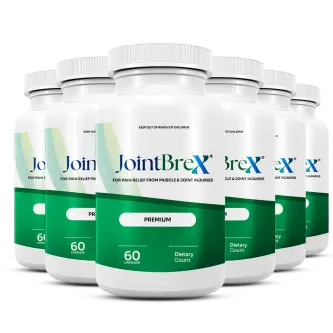
    Each bottle contains 60 capsules — a 30-day supply.

    Always follow the label on your bottle, and don’t take more than directed. Taking extra doesn’t speed up results and makes side effects more likely.

    Practical tips

    • Pick a fixed time. Linking it to a daily habit — like breakfast — makes it easy to remember.
    • Stomach upset? Take the capsules with food instead of before the meal.
    • Missed a dose? Just take your next dose as usual. Don’t double up.
    • Be consistent. Skipping days makes it hard to judge whether it’s helping.
    • Store it properly: cool, dry place, lid closed, out of children’s reach.

    When to expect results

    JointBrex itself hasn’t been studied, but trials of its ingredients give a rough guide:

    Timeframe What to expect
    Week 1–2 Usually no noticeable change. Watch for stomach side effects.
    Week 3–6 Boswellia trials sometimes showed early improvements in this window.
    Week 6–8 A fair point to judge whether it’s helping you.
    Week 8–12 Most ingredient studies measured their main results here.

    Important: the 60-day refund counts from your purchase date, not from your first capsule. If it isn’t working for you by around week 7, contact support so you don’t miss the window.

    How to tell if it’s working

    Memory is unreliable for pain, so track it:

    1. For a week before starting, rate morning stiffness and daily pain from 1 to 10.
    2. Keep rating every morning while you take JointBrex.
    3. Note one “test activity” — stairs, a 20-minute walk or opening jars — and how it feels each week.
    4. Compare your average at week 6–8 with your starting week.

    A drop of 2 points or more is a meaningful improvement. Little or no change means it’s probably not for you.

    Boost your results with daily habits

    Supplements work best alongside the habits with the strongest evidence:

    Who should check with a doctor first

    Talk to your doctor before taking JointBrex if you take blood thinners, have diabetes or gallbladder problems, are pregnant or breastfeeding, or have surgery planned. Avoid it if you’re allergic to shellfish. Details in our JointBrex side effects guide.

    Haven’t ordered yet? The official website has the current discount and the 60-day money-back guarantee.

    See the official JointBrex site →

    Frequently asked questions

    Should I take JointBrex in the morning or at night?

    The official directions don’t specify a time — just 2 capsules a day before a meal. Choose the time you’ll remember most consistently.

    Can I take JointBrex with other supplements?

    Check for overlap (for example, another turmeric or glucosamine product) and ask your doctor, especially about fish oil, ginger or ginkgo if you take blood thinners.

    How long should I take JointBrex?

    Give it 6–8 weeks to judge. If it helps, reassess every few months; if not, stop and use the refund within 60 days of purchase.

    Related: JointBrex ingredients · Where to buy JointBrex · JointBrex review

    These statements have not been evaluated by the FDA. This product is not intended to diagnose, treat, cure or prevent any disease.

    JointBrex supplement

    THE MAIN GUIDE

    JointBrex Review 2026: Ingredients, Evidence & Who It’s Really For

    Every dose checked against research, who it suits, side effects and how the 60-day refund works.

    Read the full review →

  • Where to Buy JointBrex: Official Site, Refund & Shipping

    Where to Buy JointBrex: Official Site, Refund & Shipping

    JointBrex bottles

    JOINTBREX GUIDE · MY GOOD ROUTINE

    Part of our complete JointBrex review — every dose, the evidence, safety and the 60-day refund.

    Read the main review →

    Independent guide by My Good Routine. We may earn a commission if you buy through our links. Not medical advice.

    If you’ve decided to try JointBrex, where you buy it matters as much as what’s in it. Buying from the right place gets you the genuine product, the current discount and the money-back guarantee; buying from the wrong place can leave you with a copycat and no refund. Here’s everything you need to know before ordering. Still deciding? Read our full JointBrex review first.

    Where to buy JointBrex: the official website

    JointBrex is sold through its official website, with orders processed by BuyGoods, an online retailer that handles payments and refunds for many supplement brands. That’s the only place where the brand’s 60-day money-back guarantee applies.

    Heads up: the brand’s older domain stopped loading in November 2026. The current official store is at jointbrexhealth.online. If you land on a different-looking site, double-check before paying.

    Go straight to the official order page to see today’s packages and discount.

    Check today’s price on the official site →

    Is JointBrex on Amazon, Walmart or eBay?

    The brand directs buyers to its official website. Listings on marketplaces may come from third-party sellers, may not be genuine or fresh, and usually aren’t covered by the official refund. If price or convenience tempts you, remember you’d be giving up the guarantee.

    What you’ll find on the official site

    • Packages of 1, 3 or 6 bottles. Each bottle has 60 capsules, a 30-day supply at the recommended 2 capsules a day.
    • Larger packages cost less per bottle and include free US shipping and digital bonus guides.
    • A one-time purchase — the site states there’s no subscription or automatic renewal.
    • A 60-day money-back guarantee from the date of purchase.

    Prices change often, so check the current offer on the site rather than relying on numbers you see in ads.

    Which package makes sense?

    Joint supplement studies usually ran for 4 to 12 weeks, so a single bottle (30 days) may be too short to judge. A 3-bottle package covers about 90 days. Bigger packages lower the per-bottle price but put more money at stake if it doesn’t work for you — and to claim a refund you’ll need to act within 60 days of purchase. Choose the size that matches how long you realistically plan to try it.

    Checklist before you pay

    1. Confirm you’re on the official website.
    2. Check the order summary and total; decline extra add-ons you don’t want.
    3. Pay by credit card for added dispute protection.
    4. Save the confirmation email and order number.
    5. Put day 60 on your calendar.

    Shipping and refunds

    Orders ship with tracking; larger packages include free US shipping. To request a refund, contact customer support through the official website before day 60, ask for return instructions and ship back all bottles — including empty ones — with tracking. Refunds go to your original payment method. More in JointBrex reviews and complaints.

    Before you order: two safety checks

    • Shellfish allergy? JointBrex contains glucosamine, usually made from shellfish.
    • Taking blood thinners? Several ingredients may raise bleeding risk — talk to your doctor. See JointBrex side effects.

    Frequently asked questions

    What is the official JointBrex website?

    As of November 2026, the official store is at jointbrexhealth.online. Orders are processed by BuyGoods.

    Can I buy JointBrex in stores?

    The brand sells it online through its official website and doesn’t list retail stores.

    Does JointBrex ship outside the US?

    Check the official checkout page for current shipping destinations and costs.

    Related: JointBrex review · How to take JointBrex · Is JointBrex legit?

    These statements have not been evaluated by the FDA. This product is not intended to diagnose, treat, cure or prevent any disease.

    JointBrex supplement

    THE MAIN GUIDE

    JointBrex Review 2026: Ingredients, Evidence & Who It’s Really For

    Every dose checked against research, who it suits, side effects and how the 60-day refund works.

    Read the full review →

  • JointBrex Reviews & Complaints: What Buyers Report

    JointBrex Reviews & Complaints: What Buyers Report

    JointBrex bottles

    JOINTBREX GUIDE · MY GOOD ROUTINE

    Part of our complete JointBrex review — every dose, the evidence, safety and the 60-day refund.

    Read the main review →

    Independent guide by My Good Routine. We may earn a commission if you buy through our links. Not medical advice.

    Before buying any supplement online, most people look for real customer reviews and complaints. With JointBrex, that’s harder than it should be: the sales page shows glowing testimonials, but independent feedback is scarce, and some outside sources raise concerns. Here’s an honest summary of what we could find — and how to protect yourself if you decide to try it. For our overall verdict, see the full JointBrex review.

    What the official site shows

    The official sales page features three detailed testimonials from named customers, “Verified Purchase” labels and a claim of more than 21,000 reviews. None of these can be independently checked. The same page also includes a testimonial about dizziness and vertigo — which has nothing to do with joints — suggesting some content was copied from other products. Treat sales-page testimonials as marketing, not evidence.

    What independent sources say

    • Very few independent reviews. At the time of an independent check, JointBrex had no reviews on Trustpilot under its own name, despite the sales page claiming thousands.
    • Warnings about the ads. MalwareTips, a consumer-security site, published a warning about JointBrex advertising, pointing to ad copy that reads like marketing, stock-style before-and-after images and reviews with only positive feedback.
    • Reported off-site complaints. The same warning notes that outside the official site, people report experiences such as no noticeable change, refund problems, support that stopped responding and unexpected charges.
    • A crowd of look-alike “reviews”. Many pages ranking for “JointBrex reviews” are promotional posts on free hosting sites, not independent tests.

    We couldn’t verify individual complaints, and no product pleases everyone. But the gap between the sales page and outside feedback is a reason for caution.

    The most common complaint themes for products like this

    Complaint What’s usually behind it How to avoid it
    “It didn’t work” Low doses, unrealistic expectations or too short a trial Track stiffness for 6–8 weeks and use the refund if needed
    Refund problems Missing the deadline, not returning bottles, no tracking Contact support before day 60 and ship with tracking
    Unexpected charges Upsells at checkout or buying from a copycat site Review the order summary; buy only from the official site
    Slow or no support replies Small sellers with limited support Keep all emails; contact the payment processor if needed

    How to protect yourself if you try JointBrex

    1. Buy only from the official website and check the domain before paying.
    2. Read the order summary carefully and decline add-ons you don’t want.
    3. Pay by credit card, which gives you dispute rights if something goes wrong.
    4. Save your confirmation email and order number. Orders are processed by BuyGoods, which handles payments and refunds.
    5. Mark day 60 on your calendar. The guarantee runs 60 days from purchase; the site suggests trying it for at least 30 days first.
    6. Ship returns with tracking, including empty bottles.

    Our take

    JointBrex lists its doses, uses an established payment processor and offers a 60-day refund — signs of a real product. But independent reviews are almost nonexistent, the sales page has copy-and-paste errors and overpromises, and outside sources warn about its ads and refund experiences. If you try it, keep expectations modest, follow the steps above and judge it by your own results. If you take blood thinners or have a shellfish allergy, read our side effects guide first.

    Decided to try it? Use the official website so you get the genuine product and the 60-day refund.

    Go to the official JointBrex site →

    Frequently asked questions

    Are JointBrex reviews real?

    Sales-page testimonials can’t be verified. Independent reviews are very limited so far.

    Has anyone had trouble getting a refund?

    Outside sources mention refund problems, though we couldn’t verify specific cases. Following the steps above gives you the best chance of a smooth refund.

    Is JointBrex a scam?

    We didn’t find evidence that the product is fake, but its marketing is aggressive and overpromises. Read Is JointBrex legit? for details.

    Related: Is JointBrex legit? · Where to buy JointBrex · JointBrex review

    Sources: MalwareTips: JointBrex supplement ads and red flags; Trustpilot search, November 2026. These statements have not been evaluated by the FDA.

    JointBrex supplement

    THE MAIN GUIDE

    JointBrex Review 2026: Ingredients, Evidence & Who It’s Really For

    Every dose checked against research, who it suits, side effects and how the 60-day refund works.

    Read the full review →

  • Are Joint Supplements Safe With Blood Thinners?

    JointBrex bottles

    JOINT HEALTH GUIDE · MY GOOD ROUTINE

    Part of our joint health series. See our main guide for an honest look at one popular joint supplement.

    Read the main review →

    By the My Good Routine editorial team. Not medical advice. Never start, stop or change a blood thinner without your doctor.

    Millions of people over 50 take a blood thinner, and many of them also have achy joints. The problem: several of the most popular joint supplement ingredients can affect bleeding or change how blood thinners work. Here’s what you need to know before combining them.

    The short answer

    Talk to your doctor or pharmacist before taking any joint supplement with a blood thinner. Some ingredients have documented interactions with warfarin; others have a theoretical risk. If your doctor approves, they may want to check your blood levels (INR) more often when you start.

    Which blood thinners are we talking about?

    • Warfarin (Coumadin, Jantoven) — the most sensitive to interactions
    • Newer anticoagulants: apixaban (Eliquis), rivaroxaban (Xarelto), dabigatran (Pradaxa), edoxaban
    • Antiplatelets: clopidogrel (Plavix), daily aspirin, prasugrel, ticagrelor

    Joint supplement ingredients and bleeding risk

    Ingredient Concern Level of evidence
    Glucosamine (± chondroitin) Reports of increased warfarin effect (higher INR) and bleeding Case reports and drug-safety databases
    Turmeric / curcumin May slow clotting and raise warfarin effect Lab studies and case reports
    Fish oil (omega-3) Mild antiplatelet effect at high doses Studies; usually small effect
    Ginger May affect platelets Mostly theoretical
    Bromelain May increase bleeding tendency Theoretical / limited
    Boswellia Possible interaction with anticoagulants Limited
    Pine bark extract Mild antiplatelet effect Small studies
    Ginkgo, vitamin E (sometimes added) Increased bleeding risk Moderate

    Many joint formulas combine several of these, which can add up. JointBrex, for example, contains glucosamine, chondroitin, turmeric, boswellia and bromelain — see our JointBrex side effects guide.

    Warning signs of bleeding

    Call your doctor right away if you notice:

    • Unusual bruising, or bruises that appear without a bump
    • Bleeding gums or frequent nosebleeds
    • Pink, red or dark brown urine
    • Black, tarry or bloody stools
    • Coughing or vomiting blood
    • Severe headache or sudden weakness (seek emergency care)

    If your doctor says it’s OK

    • Start one supplement at a time, so you know what caused any change.
    • Keep the dose consistent — don’t take it on and off.
    • Ask whether you need an extra INR check (for warfarin) after starting.
    • Tell every doctor and dentist what you take, especially before surgery or dental work.
    • Stop supplements that affect bleeding about 2 weeks before planned surgery, if your surgeon agrees.

    Safer ways to ease joint pain on a blood thinner

    Frequently asked questions

    Can I take glucosamine with Eliquis?

    Interactions are best documented with warfarin, but caution is still advised with apixaban and other anticoagulants. Ask your doctor.

    Can I take turmeric with blood thinners?

    Turmeric supplements may increase bleeding risk. Cooking amounts are generally fine; concentrated supplements need your doctor’s OK.

    Is fish oil safe with blood thinners?

    At usual doses the effect is small, but discuss it with your doctor, especially at high doses.

    Related: Joint supplements vs painkillers · Best joint supplement ingredients · JointBrex side effects

    Sources: NCCIH, Glucosamine and Chondroitin; NCCIH, Osteoarthritis: In Depth.

    JointBrex supplement

    THE MAIN GUIDE

    JointBrex Review 2026: Ingredients, Evidence & Who It’s Really For

    Every dose checked against research, who it suits, side effects and how the 60-day refund works.

    Read the full review →

  • Joint Supplements vs Painkillers: Pros, Cons and Safety

    JointBrex bottles

    JOINT HEALTH GUIDE · MY GOOD ROUTINE

    Part of our joint health series. See our main guide for an honest look at one popular joint supplement.

    Read the main review →

    By the My Good Routine editorial team. Not medical advice. Don’t stop or change prescribed medicine without talking to your doctor.

    When your knees or hips ache, you have two shelves to choose from: over-the-counter painkillers and joint supplements. Painkillers work fast but carry risks with long-term use. Supplements feel “natural” but work slowly and less predictably. Here’s an honest comparison to help you talk it through with your doctor.

    The quick comparison

    NSAIDs (ibuprofen, naproxen) Topical NSAIDs (diclofenac gel) Acetaminophen Joint supplements
    Speed Hours Hours to days Hours Weeks
    Evidence for osteoarthritis pain Strong Strong (knee, hand) Small benefit Varies by ingredient
    Guideline position (ACR) Strongly recommended Strongly recommended for knee Conditional Most not recommended; none strongly
    Main risks Stomach bleeding, kidney and heart risks Skin irritation; much lower body exposure Liver damage at high doses Interactions, especially with blood thinners

    Over-the-counter painkillers

    NSAIDs (ibuprofen, naproxen)

    Anti-inflammatory painkillers are among the most effective medicines for osteoarthritis pain, and the American College of Rheumatology strongly recommends them. The trade-off is safety with regular use, especially after 60: stomach ulcers and bleeding, kidney strain, and higher blood pressure and heart risk. Use the lowest dose for the shortest time, and ask your doctor before daily use.

    Topical NSAIDs

    Gels such as diclofenac are strongly recommended for knee osteoarthritis and are a great first step for many people over 50. Because far less reaches the bloodstream, side effects are much rarer than with pills.

    Acetaminophen

    Easier on the stomach, but its benefit for osteoarthritis pain is small. Taking more than the label allows can damage the liver, especially with alcohol.

    Joint supplements

    Supplements don’t work like painkillers. They take weeks, effects are usually modest, and results depend heavily on the ingredient and dose. The best-supported are boswellia and curcumin; glucosamine and chondroitin have mixed results. See best joint supplement ingredients after 50.

    Their appeal is that, at normal doses, most are gentle on the stomach, kidneys and heart. But “natural” doesn’t mean risk-free: several raise bleeding risk with blood thinners — see joint supplements and blood thinners.

    Can you combine them?

    Often yes, with your doctor’s OK. Many people use a topical NSAID for flare-ups and a supplement for everyday stiffness. Be careful combining oral NSAIDs with turmeric, ginger, bromelain or fish oil, since all affect bleeding.

    What works better than either

    Exercise and weight management have the strongest evidence for knee and hip osteoarthritis and no side effects beyond sore muscles. Start with our low-impact exercise guide and morning stiffness habits.

    A practical approach

    1. Build the base: daily movement, strength exercises, weight management.
    2. For flare-ups: topical NSAID gel, heat or ice.
    3. If you want to try a supplement: choose well-dosed ingredients and track results for 8 weeks — our JointBrex review shows how to read a label.
    4. For persistent pain: talk to your doctor about oral medicines, physical therapy or injections.

    Frequently asked questions

    Are joint supplements safer than ibuprofen?

    For long-term daily use, most supplements carry fewer stomach, kidney and heart risks — but they’re also less effective, and some interact with medicines.

    Can supplements replace painkillers?

    For mild stiffness, some people find they can. For moderate or severe pain, supplements alone usually aren’t enough.

    Is turmeric as effective as ibuprofen?

    A few trials found similar pain relief for knee osteoarthritis, but they were small. Don’t swap prescribed treatment without talking to your doctor.

    Related: Joint supplements and blood thinners · Best joint supplement ingredients · JointBrex review

    Sources: NCCIH, Osteoarthritis: In Depth; NCCIH, Arthritis and Complementary Health Approaches.

    JointBrex supplement

    THE MAIN GUIDE

    JointBrex Review 2026: Ingredients, Evidence & Who It’s Really For

    Every dose checked against research, who it suits, side effects and how the 60-day refund works.

    Read the full review →

  • Best Joint Supplement Ingredients After 50: What to Look For

    JointBrex bottles

    JOINT HEALTH GUIDE · MY GOOD ROUTINE

    Part of our joint health series. See our main guide for an honest look at one popular joint supplement.

    Read the main review →

    By the My Good Routine editorial team. Not medical advice.

    Walk down any pharmacy aisle or scroll through supplement ads and you’ll see dozens of joint products, each promising easier movement. Most combine the same handful of ingredients in different amounts. If you’re over 50 and shopping for one, here’s what to look for on the label — and what to skip.

    Ingredients ranked by evidence

    Ingredient Evidence for joint pain Effective dose to look for
    Boswellia serrata (standardized) Good 100–250 mg extract, standardized to AKBA
    Curcumin (turmeric extract) Good 500–1,000 mg curcumin, enhanced absorption
    Undenatured type II collagen (UC-II) Promising, limited 40 mg
    Omega-3 fish oil Modest; better for inflammatory arthritis 1–3 g EPA+DHA
    Pine bark extract Promising, limited 100–150 mg
    Ginger Modest 250–500 mg extract
    MSM Limited 1.5–6 g
    Hyaluronic acid (oral) Limited 80–200 mg
    Glucosamine Conflicting; not recommended by guidelines 1,500 mg
    Chondroitin Weak for knee/hip 800–1,200 mg

    5 things to check on any joint supplement label

    1. Are the doses listed?

    “Proprietary blends” hide how much of each ingredient you get. Prefer products that list every dose so you can compare with the table above.

    2. Are the doses close to what studies used?

    Many formulas include a long list of ingredients at tiny amounts — great for marketing, not for results. Two well-dosed ingredients beat ten “sprinkled” ones.

    3. Is the extract standardized?

    Boswellia and curcumin work best as standardized extracts (for example, “boswellia standardized to 30% AKBA”). Plain powders contain much less of the active compounds.

    4. Is there third-party testing?

    Look for seals from independent testers such as USP, NSF or ConsumerLab. They check that the label matches what’s in the bottle.

    5. Are the claims realistic?

    Be wary of products that promise to “eliminate” pain, “regenerate” cartilage or work in days. Supplements can modestly ease symptoms; they don’t reverse osteoarthritis.

    Safety checklist for people over 50

    • Blood thinners: glucosamine, chondroitin, turmeric, boswellia, ginger, fish oil and bromelain may raise bleeding risk.
    • Shellfish allergy: avoid glucosamine unless your doctor approves.
    • Diabetes and gallbladder issues: ask your doctor before turmeric or glucosamine.
    • Many medications? Bring the label to your pharmacist.

    How to tell if it’s working

    Rate your stiffness and pain from 1 to 10 each morning for two weeks before starting, then keep tracking for 8 weeks. If you don’t see a clear difference, stop — and use the money-back guarantee if the product has one. Pair any supplement with the habits that have the best evidence: daily movement, weight management and a morning mobility routine.

    Applying the checklist: an example

    Take JointBrex: it lists most doses (a plus), includes boswellia at a studied dose (a plus), but has glucosamine and chondroitin below study doses and only 100 mg turmeric. Its sales page also overpromises. That’s typical of many formulas — which is exactly why reading the label matters. See our JointBrex ingredients breakdown or compare it with Joint Genesis.

    Frequently asked questions

    What is the most effective joint supplement?

    For knee osteoarthritis pain, standardized boswellia and well-absorbed curcumin have the most consistent evidence.

    Should I take a joint supplement every day?

    Most are designed for daily use. Reassess after 8–12 weeks and stop if you notice no benefit.

    Are joint supplements safe for seniors?

    Generally, but interactions with blood thinners and other medicines are common. Check with your doctor or pharmacist first.

    Related: Do glucosamine and chondroitin work? · Collagen vs glucosamine · Joint supplements and blood thinners

    Sources: Nutrients, 2025 network meta-analysis; NCCIH, Arthritis and Complementary Health Approaches; NCCIH, Osteoarthritis: In Depth.

    JointBrex supplement

    THE MAIN GUIDE

    JointBrex Review 2026: Ingredients, Evidence & Who It’s Really For

    Every dose checked against research, who it suits, side effects and how the 60-day refund works.

    Read the full review →

  • Collagen vs Glucosamine for Joints: Key Differences

    JointBrex bottles

    JOINT HEALTH GUIDE · MY GOOD ROUTINE

    Part of our joint health series. See our main guide for an honest look at one popular joint supplement.

    Read the main review →

    By the My Good Routine editorial team. Not medical advice.

    Collagen has become one of the most popular supplements of the decade, and many people now wonder whether it’s a better choice for joints than old-school glucosamine. They’re often sold for the same purpose, but they’re very different products — and “collagen” itself comes in two forms that work in completely different ways. Here’s how they compare.

    The quick answer

    For joint pain, undenatured type II collagen (UC-II) has some promising small trials, including one where it outperformed glucosamine plus chondroitin. Hydrolyzed collagen peptides have mixed, mostly small studies. Glucosamine has the most research overall, but large independent trials found little benefit over placebo. None of them is a sure thing; UC-II is the most interesting newcomer.

    Glucosamine Hydrolyzed collagen Undenatured type II collagen (UC-II)
    Source Shellfish shells (usually) Cow, pig or fish skin and bones Chicken sternum cartilage
    How it may work Raw material for cartilage Amino acids that may signal tissue repair Calms the immune response against cartilage
    Typical dose 1,500 mg a day 5–10 g a day 40 mg a day
    Evidence for joint pain Conflicting; not recommended by major guidelines Small, mixed studies Small but encouraging studies
    Main cautions Shellfish allergy, blood thinners Fish or bovine allergies Chicken or egg allergy

    Glucosamine: lots of research, modest results

    Glucosamine has been studied for over 30 years. The large US GAIT trial found it wasn’t significantly better than placebo for knee pain overall, and the American College of Rheumatology recommends against it for knee, hip and hand osteoarthritis. Read more in do glucosamine and chondroitin actually work?

    Hydrolyzed collagen: popular, but evidence is thin

    Collagen peptides are broken down into small pieces so they’re easy to digest. They’re popular for skin, hair and nails, and some small studies suggest they may ease joint discomfort, particularly in active people. But studies are small and often industry-funded, and collagen is digested into amino acids rather than going straight to your joints.

    Undenatured type II collagen: a different approach

    UC-II isn’t meant to “rebuild” cartilage. Taken in a tiny dose (about 40 mg a day), it’s thought to train the immune system to calm inflammation directed at joint cartilage — a process called oral tolerance. In a 2016 randomized trial, UC-II improved knee osteoarthritis symptoms more than placebo and more than glucosamine plus chondroitin. More independent research is needed, but it’s a promising option.

    Can you take collagen and glucosamine together?

    Yes, there’s no known harmful interaction, and some products combine them. Just check total doses and allergies, and talk to your doctor if you take blood thinners.

    Which one should you choose?

    • Want the newest promising option? UC-II at 40 mg a day.
    • Already using collagen for skin and hair? Hydrolyzed collagen may be a bonus for joints, but don’t count on it.
    • Glucosamine has worked for you before? It’s reasonable to continue.
    • Want the best-supported supplements for knee pain? Look at boswellia and curcumin — see boswellia vs turmeric.

    Many joint formulas don’t include collagen at all. JointBrex, for example, combines glucosamine and chondroitin with boswellia and turmeric but no collagen — see our ingredients breakdown.

    Frequently asked questions

    Is collagen better than glucosamine for knees?

    UC-II outperformed glucosamine plus chondroitin in one trial, but the evidence is still limited. Hydrolyzed collagen hasn’t been shown to be better.

    How long does collagen take to work for joints?

    Most studies ran 3 to 6 months.

    Does collagen rebuild cartilage?

    There’s no strong evidence that oral collagen rebuilds cartilage in people with osteoarthritis.

    Related: Do glucosamine and chondroitin work? · Best joint supplement ingredients after 50 · JointBrex review

    Sources: NCCIH, Osteoarthritis: In Depth; NCCIH, Glucosamine and Chondroitin.

    JointBrex supplement

    THE MAIN GUIDE

    JointBrex Review 2026: Ingredients, Evidence & Who It’s Really For

    Every dose checked against research, who it suits, side effects and how the 60-day refund works.

    Read the full review →

  • Do Glucosamine and Chondroitin Actually Work? An Honest Look

    JointBrex bottles

    JOINT HEALTH GUIDE · MY GOOD ROUTINE

    Part of our joint health series. See our main guide for an honest look at one popular joint supplement.

    Read the main review →

    By the My Good Routine editorial team. Not medical advice.

    Glucosamine and chondroitin are the best-selling joint supplements in the world, and you’ll find them in most drugstore joint formulas. But do they actually work? After three decades of research, the honest answer is: for most people, probably not much — though some people do report benefits. Here’s what the evidence shows and how to decide whether they’re worth trying.

    What glucosamine and chondroitin are

    Both are natural parts of cartilage, the smooth tissue that cushions the ends of your bones. Glucosamine is a building block of cartilage and is usually made from shellfish shells. Chondroitin helps cartilage hold water and stay elastic; it’s usually made from cow or shark cartilage. The theory is that taking them by mouth supplies raw material to slow cartilage wear.

    What the big studies found

    The GAIT trial

    The largest independent study, the US government-funded Glucosamine/chondroitin Arthritis Intervention Trial (GAIT), followed about 1,500 people with knee osteoarthritis. Overall, glucosamine, chondroitin and the combination were not significantly better than placebo for pain relief. A smaller subgroup with moderate-to-severe pain did better on the combination, but that finding was considered preliminary.

    Later reviews

    Meta-analyses since then have found small or no benefits, and results vary depending on who funded the study and which form of glucosamine was used. Some European trials using a prescription-grade crystalline glucosamine sulfate showed modest benefits; most others did not.

    What guidelines say

    The American College of Rheumatology recommends against glucosamine for knee, hip and hand osteoarthritis, and against chondroitin for the knee and hip. Chondroitin is conditionally recommended for hand osteoarthritis.

    Why some people still swear by them

    • The placebo effect is strong for joint pain. In GAIT, about 60% of people on placebo reported meaningful improvement.
    • Osteoarthritis pain naturally comes and goes, so a good stretch can coincide with starting a supplement.
    • Individual responses vary. A small group may genuinely benefit, and the supplements are generally safe.

    If you want to try them

    • Use study doses: 1,500 mg glucosamine sulfate and 800–1,200 mg chondroitin a day. Many combination products contain much less.
    • Give it 8–12 weeks, then stop if you notice no difference.
    • Avoid glucosamine if you’re allergic to shellfish.
    • Talk to your doctor if you take warfarin — both may increase its effect.

    Better-supported alternatives

    If you want a supplement with stronger evidence for knee pain, boswellia and curcumin (from turmeric) have more consistent results. See boswellia vs turmeric for knee pain and glucosamine vs turmeric. And the treatments with the best evidence of all aren’t supplements: regular exercise and weight management — see low-impact exercises for knee pain.

    What about combination products?

    Many joint formulas mix glucosamine and chondroitin with plant extracts. If you consider one, compare each dose with the study amounts. For example, JointBrex includes 1,000 mg glucosamine and 100 mg chondroitin — below study doses — alongside boswellia and turmeric. Our JointBrex ingredients guide breaks it down.

    Frequently asked questions

    Does glucosamine rebuild cartilage?

    There’s no strong evidence that it rebuilds cartilage in people with osteoarthritis.

    How long does glucosamine take to work?

    Studies typically ran 8 weeks to 2 years. If you’ve noticed nothing after 3 months, it’s unlikely to help.

    Is chondroitin safe?

    Generally yes, with mild digestive side effects in some people. It may interact with blood thinners.

    Related: Collagen vs glucosamine · Best joint supplement ingredients after 50 · JointBrex review

    Sources: NCCIH, Glucosamine and Chondroitin for Osteoarthritis; NCCIH, Osteoarthritis: In Depth.

    JointBrex supplement

    THE MAIN GUIDE

    JointBrex Review 2026: Ingredients, Evidence & Who It’s Really For

    Every dose checked against research, who it suits, side effects and how the 60-day refund works.

    Read the full review →

  • Why Do My Knees Hurt When I Climb Stairs? Common Causes

    JointBrex bottles

    JOINT HEALTH GUIDE · MY GOOD ROUTINE

    Part of our joint health series. See our main guide for an honest look at one popular joint supplement.

    Read the main review →

    By the My Good Routine editorial team. Not medical advice.

    Stairs are often the first place knee problems show up. Climbing puts several times your body weight through the knee joint, and going down is even harder on the front of the knee. If your knees ache on stairs but feel fine on flat ground, here are the most common reasons — and what you can do about them.

    Why stairs are hard on your knees

    When you climb, your thigh muscles (quadriceps) pull hard to straighten your knee, pressing the kneecap against the thigh bone. Going down, those muscles work as brakes while your knee bends under load. Any weakness, stiffness or wear in the joint gets magnified on steps.

    Common causes of knee pain on stairs

    1. Knee osteoarthritis

    The most common cause after 50. Cartilage wears thinner over time, so the joint handles load less smoothly. Typical signs: pain with stairs, standing up from a chair or after long walks; stiffness in the morning that eases within about 30 minutes; and sometimes a grinding feeling.

    2. Patellofemoral pain (“runner’s knee”)

    Pain around or behind the kneecap that’s worse on stairs, squatting, or after sitting for a long time with bent knees. It’s often linked to weak hip and thigh muscles or how the kneecap tracks.

    3. Weak thigh and hip muscles

    Strong quadriceps and hip muscles act like shock absorbers. When they weaken — common with less activity — more load goes straight through the joint.

    4. Tendinitis

    Irritation of the patellar or quadriceps tendon causes pain just below or above the kneecap, especially going down stairs or after jumping.

    5. Meniscus wear or tear

    The meniscus is a cartilage cushion inside the knee. Wear or a tear can cause pain with twisting, catching or locking, and sometimes swelling.

    6. Extra body weight

    Each extra pound adds several pounds of pressure on your knees with every step, and even more on stairs.

    What helps

    • Strengthen your thighs and hips. Sit-to-stands, straight-leg raises, step-ups on a low step, side-lying leg lifts and bridges. Two or three times a week makes a difference within weeks.
    • Use the “up with the good, down with the bad” rule. Lead with your stronger leg going up and your sore leg going down, and use the handrail.
    • Stay active on flat ground. Walking, cycling and swimming keep joints moving without the extra load of stairs. See low-impact exercises for knee pain.
    • Manage weight. Modest weight loss reduces knee pain for many people with osteoarthritis. See how much it helps.
    • Warm up first. A few minutes of movement before tackling stairs in the morning helps — see our morning stiffness habits.
    • Try heat or ice. Heat for stiffness, ice for flare-ups after activity.
    • Check your shoes. Supportive, cushioned shoes can ease load on the knee.

    What about joint supplements?

    Some people try supplements for everyday knee aches. Boswellia and curcumin have the most encouraging research for knee osteoarthritis pain; glucosamine and chondroitin have mixed results and aren’t recommended by major guidelines for the knee. If you’re considering one, read our JointBrex review, where we compare each ingredient’s dose with the research. Talk to your doctor first if you take blood thinners.

    When to see a doctor

    • Your knee is swollen, red or warm.
    • It locks, catches or gives way.
    • Pain started after a fall, twist or injury.
    • You can’t put weight on it, or pain wakes you at night.
    • Pain hasn’t improved after a few weeks of home care.

    Frequently asked questions

    Why does my knee hurt going down stairs more than up?

    Going down, your thigh muscles work as brakes while the knee bends under load, which puts more stress on the kneecap area. It’s typical of patellofemoral pain and osteoarthritis.

    Should I avoid stairs if my knees hurt?

    Not completely. Stairs can be good strength training when pain is mild. Use the handrail, take them one at a time, and build strength with other exercises.

    Can knee pain on stairs be fixed?

    Often it improves a lot with strengthening, weight management and staying active. Persistent pain should be evaluated by a doctor or physical therapist.

    Related: Morning stiffness: 7 gentle habits · Low-impact exercises for knee pain · JointBrex review

    Sources: NCCIH, Osteoarthritis: In Depth.

    JointBrex supplement

    THE MAIN GUIDE

    JointBrex Review 2026: Ingredients, Evidence & Who It’s Really For

    Every dose checked against research, who it suits, side effects and how the 60-day refund works.

    Read the full review →

  • Best Low-Impact Exercises for Knee Pain After 50

    JointBrex bottles

    JOINT HEALTH GUIDE · MY GOOD ROUTINE

    Part of our joint health series. See our main guide for an honest look at one popular joint supplement.

    Read the main review →

    By the My Good Routine editorial team. Not medical advice. Check with your doctor before starting a new exercise program.

    When your knees hurt, it’s tempting to rest them. But for most people with everyday knee pain or osteoarthritis, the right kind of movement is one of the best treatments there is. Arthritis guidelines rank exercise at the very top of the list. The key is choosing activities that strengthen and move the knee without pounding it. Here are the best low-impact options after 50, and how to start safely.

    Why exercise helps knee pain

    • Stronger muscles absorb load. Your thigh and hip muscles act as shock absorbers for the knee.
    • Movement nourishes cartilage. Cartilage has no blood supply; it relies on joint movement to circulate fluid.
    • Less stiffness. Regular movement keeps the joint flexible.
    • Weight control. Every pound lost takes several pounds of pressure off your knees per step.

    The 7 best low-impact exercises

    1. Walking

    Simple, free and effective. Start with 10 minutes on flat ground and add a few minutes each week, aiming for 30 minutes most days. Supportive shoes and soft surfaces help. Our 6-week walking plan for sore knees shows how to build up. See why knees hurt on stairs if hills or steps bother you.

    2. Stationary or outdoor cycling

    Cycling moves the knee through a smooth arc with little impact and builds thigh strength. Set the seat so your knee is slightly bent at the bottom of the pedal stroke.

    3. Swimming and water exercise

    Water supports your body weight, so it’s ideal during flare-ups. Water walking and aqua aerobics are great if you don’t swim laps.

    4. Tai chi

    Slow, flowing movements improve balance, strength and flexibility. Tai chi is specifically recommended in arthritis guidelines for knee and hip osteoarthritis.

    5. Sit-to-stands

    Stand up from a sturdy chair without using your hands, then sit back down slowly. Start with 5–10 repetitions. It’s one of the best functional exercises for daily life.

    6. Straight-leg raises and bridges

    Lying on your back, keep one leg straight and lift it to the height of the bent opposite knee. For bridges, lift your hips with both knees bent. Both strengthen without stressing the joint.

    7. Step-ups on a low step

    Once you’ve built some strength, step up and down on a low step, holding a rail. This prepares your knees for stairs and curbs.

    A simple weekly plan

    Day Activity
    Mon 20-minute walk + strength moves (sit-to-stands, leg raises, bridges)
    Tue Cycling or water exercise, 20–30 minutes
    Wed Tai chi or gentle mobility, 20 minutes
    Thu 20-minute walk + strength moves
    Fri Cycling or water exercise
    Sat Longer easy walk
    Sun Rest or gentle stretching

    How much pain is OK?

    A useful rule: mild discomfort (up to about 3–4 on a 10-point scale) during exercise is acceptable if it settles within a couple of hours and isn’t worse the next morning. If pain is sharp, makes you limp, or lingers into the next day, scale back.

    Exercises to limit

    • Running on hard surfaces and jumping
    • Deep squats and lunges under heavy load
    • Sports with sudden pivots, such as tennis or basketball, during flare-ups

    Supporting your routine

    Exercise works best combined with a few other habits: a short morning mobility routine, an anti-inflammatory eating pattern and good sleep. Some people also try a joint supplement; boswellia and curcumin have the most promising research. Our JointBrex review explains what one popular formula contains and how its doses compare with studies.

    Frequently asked questions

    Is walking good for knee osteoarthritis?

    Yes. Regular walking is one of the most recommended activities for knee osteoarthritis. Start short and increase gradually.

    How long until exercise helps knee pain?

    Many people notice less pain and stiffness after 4 to 8 weeks of consistent exercise.

    Should I exercise during a flare-up?

    Switch to gentler movement such as water exercise or range-of-motion moves, and see a doctor if the joint is hot, red or very swollen.

    Related: Morning stiffness: 7 gentle habits · Why do my knees hurt on stairs? · JointBrex review

    Sources: NCCIH, Osteoarthritis: In Depth; NCCIH, Arthritis and Complementary Health Approaches.

    JointBrex supplement

    THE MAIN GUIDE

    JointBrex Review 2026: Ingredients, Evidence & Who It’s Really For

    Every dose checked against research, who it suits, side effects and how the 60-day refund works.

    Read the full review →