JOINT HEALTH GUIDE · MY GOOD ROUTINE
Part of our joint health series. See our main guide for an honest look at one popular joint supplement.
Read the main review →
By the My Good Routine editorial team. Not medical advice.
No single food causes arthritis, and cutting one food rarely cures joint pain. But your overall eating pattern influences inflammation and body weight — both of which affect how your joints feel. Here are the foods most often linked with higher inflammation, what the evidence says, and simple swaps.
Foods that may worsen inflammation
1. Sugary drinks and added sugar
Sodas, sweetened coffee drinks, juice drinks and desserts are linked with higher inflammatory markers and weight gain. In people with gout, sugary drinks rich in fructose can also raise uric acid.
Swap: water, sparkling water with citrus, unsweetened tea or coffee.
2. Ultra-processed foods
Packaged snacks, fast food and ready meals tend to be high in refined starches, added sugar, salt and processed fats. Diets high in these foods are linked with more inflammation and obesity.
Swap: nuts, fruit, yogurt, hummus with vegetables.
3. Processed and red meat
Bacon, sausage, hot dogs and deli meats are linked with higher inflammation. Red meat is also rich in purines, which can trigger gout flares.
Swap: fish, poultry, beans and lentils.
4. Refined carbohydrates
White bread, white rice, pastries and many cereals cause quick blood sugar spikes and are easy to overeat.
Swap: oats, whole-grain bread, brown rice, quinoa.
5. Fried foods and some fats
Deep-fried foods and products with partially hydrogenated oils are linked with inflammation.
Swap: olive oil, roasting or air-frying.
6. Alcohol
Heavy drinking increases inflammation, and beer and spirits are well-known gout triggers. Alcohol can also interact with pain medicines.
Swap: keep it moderate — or skip it.
7. Too much salt
High-salt diets are linked with fluid retention and may affect inflammation; they’re also common in processed food.
What about nightshades and gluten?
Tomatoes, peppers, potatoes and eggplant (nightshades) are often blamed for joint pain, but there’s no good evidence they worsen arthritis for most people. Gluten only matters if you have celiac disease or a diagnosed sensitivity. If you suspect a food, try removing it for a few weeks and track your symptoms.
Foods that support your joints
- Fatty fish (salmon, sardines, mackerel) for omega-3s
- Colorful fruits and vegetables, especially berries, cherries and leafy greens
- Olive oil, nuts and seeds
- Beans, lentils and whole grains
- Spices such as turmeric and ginger — see our turmeric tea recipe
Need ideas? Try our anti-inflammatory breakfast ideas.
The bigger picture
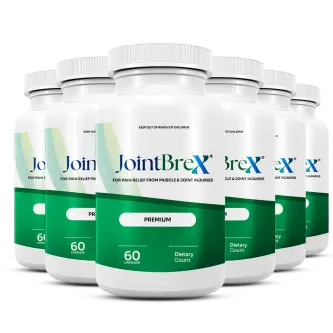
Diet works best alongside movement and weight management — every pound lost eases pressure on your knees. See how losing weight helps your knees. Some people also add a joint supplement; our JointBrex review explains what one formula contains and how its doses compare with research.
Frequently asked questions
What foods make arthritis worse?
Sugary drinks, ultra-processed foods, processed meats and heavy alcohol use are most often linked with inflammation and weight gain.
Do tomatoes make joint pain worse?
There’s no good evidence that tomatoes or other nightshades worsen arthritis for most people.
Is coffee bad for joints?
Moderate coffee doesn’t appear to worsen joint pain for most people. Watch added sugar.
Related: Anti-inflammatory breakfast ideas · Turmeric tea recipe · JointBrex review
THE MAIN GUIDE
JointBrex Review 2026: Ingredients, Evidence & Who It’s Really For
Every dose checked against research, who it suits, side effects and how the 60-day refund works.
Read the full review →